Why We Love (And Hate) The 2000s’ Most Irresponsible TV Style Icons

photo via Matthew Addington
Whether it’s Rachel Green, Gabi Solis, or Carrie Bradshaw, we have a complex relationship with irresponsible style icons.
If you’re seeing 2000’s trends make their way back onto clothing racks and Pinterest, it’s because we’re more like the pioneers of this style than we’d like to admit and we can’t resist wardrobes that seem to punch above its weight.
Of course the financially and romantically insolvent, yet well-dressed woman trope feeds into gender stereotypes. But when you strip back the stigma around the debt-ridden diva, you’ll realize there’s good reason to love them (and ourselves).
Flawed And Free: A Woman’s Wildest Dream
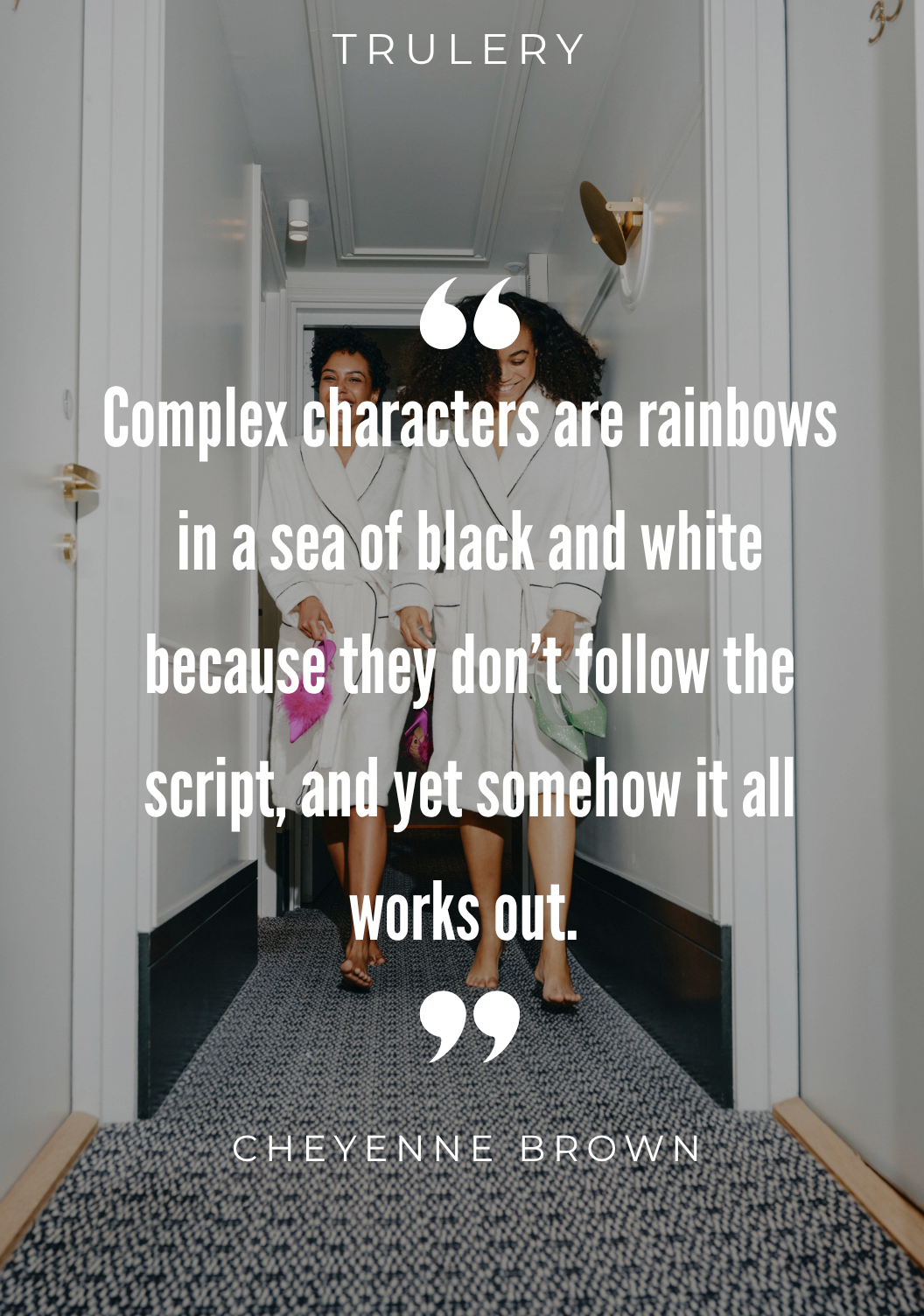
Photo by Fanete Guilloud
The problem with this character for contemporary women is that they’re often portrayed as unintelligent or poor decision makers. But this character has all of the potential of the beloved femme fatale minus the cold calculation that earns them that title. Their weakness is their soft spot for the barely likable love interest (yes, Carrie Bradshaw) but that doesn’t mean they’re losers—their desire for life’s beautiful things is what fuels their work ethic and eventual career success.
In a time of crisis, choosing your desires, even to your detriment, is just as romantic as choosing a love interest. Multiple behavioral studies show that women are harsher self-critics than men and this seeps into our attitudes towards money and relationships. So, despite the repercussions, seeing someone be reckless with their wallet and heart is, like a Jane Austen heartthrob, unrealistic but oh-so-dreamy. Laden with responsibilities and external pressures, we live vicariously through these seemingly carefree characters.
Perhaps our love-hate relationship with them comes from a place of jealousy. If we’re not afforded the freedom to fail, why should they be? But whether you like these characters or not, there’s a reason that the Carrie-inspired Camilo skirt by Handover is currently doing numbers on Pinterest. Complex characters are rainbows in a sea of black and white because they don’t follow the script, and yet somehow it all works out.
Understanding an on-screen character helps us to develop our own self concept. A study found that the more people recognized their own traits in a fictional character, the more learning about that character resembled learning about themselves.
The Facade of Control
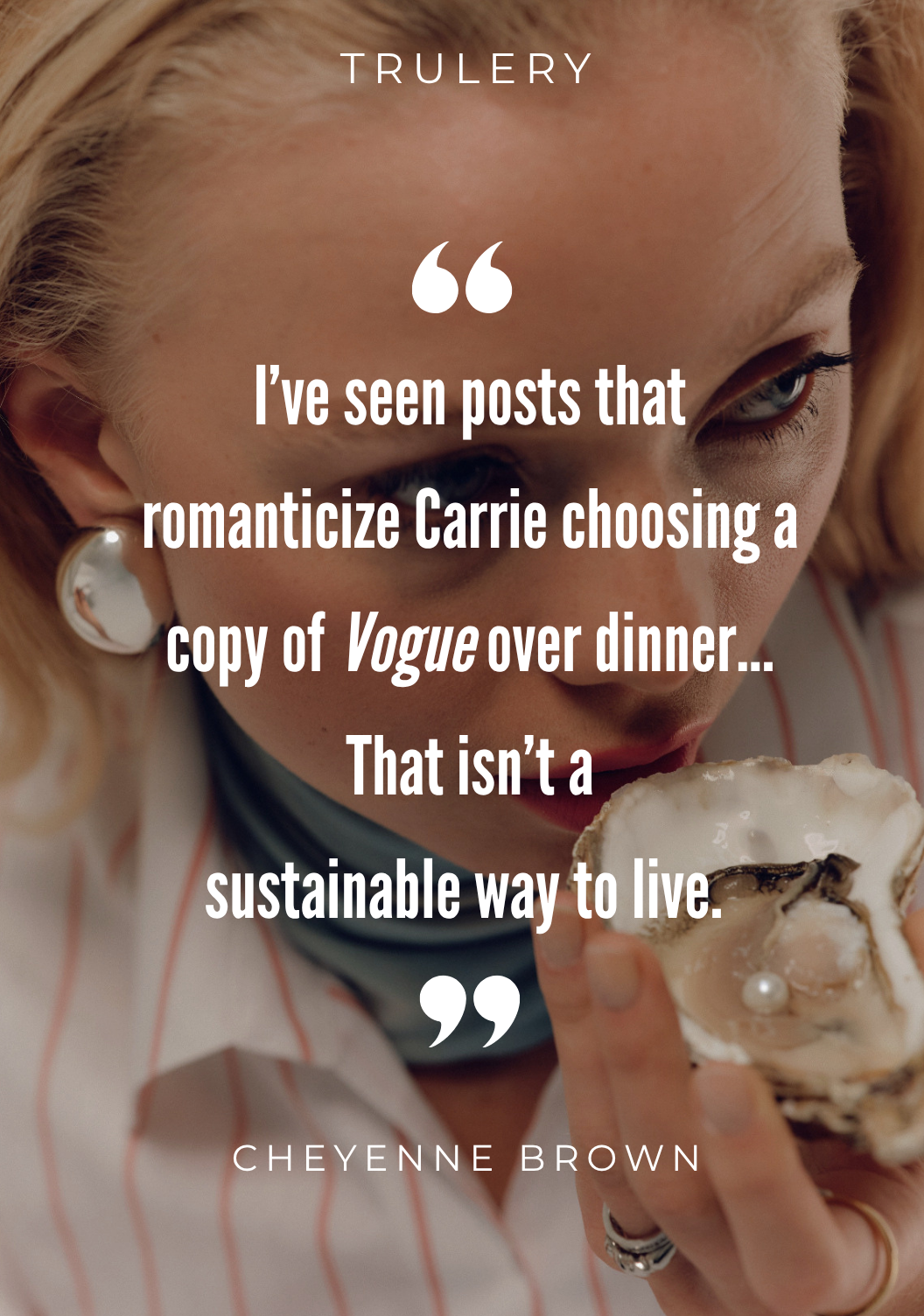
Photo via Fanette Guilloud
We definitely rolled our eyes when Carrie realized she spent $40,000 on shoes while simultaneously coveting her Manolos. Yet her unique dilemma resonated with us. When we see these characters neck-deep in drama and a slip dress, we see someone who is refusing to let their dilemmas define them. However, it isn’t without its pitfalls.
I’ve seen posts that romanticize Carrie choosing a copy of Vogue over dinner. “I felt it fed me more” she said, framing it as something aspirational. But here’s the truth: she chose self-actualization over a physiological need. That isn’t a sustainable way to live. Maslow’s Hierarchy of Needs suggests that essentials like food, sleep and safety need to be met before we can focus on finding where we belong and building self image and self esteem.
So why do moments like this still feel aspirational? Part of the answer may lie in confirmation bias. It’s “the tendency to search for, interpret, favor, and recall information in a way that confirms or supports our prior beliefs or values,” Anna Rostomyan Ph.D says in her article on emotional spending. “A prime example is when we try to rationalize our purchases,” she adds, “falling victim to the bias through confirmation mechanisms like emotional investment.” In other words, we don't just admire Carrie's choice, we often rationalize it.
Anchoring Identity
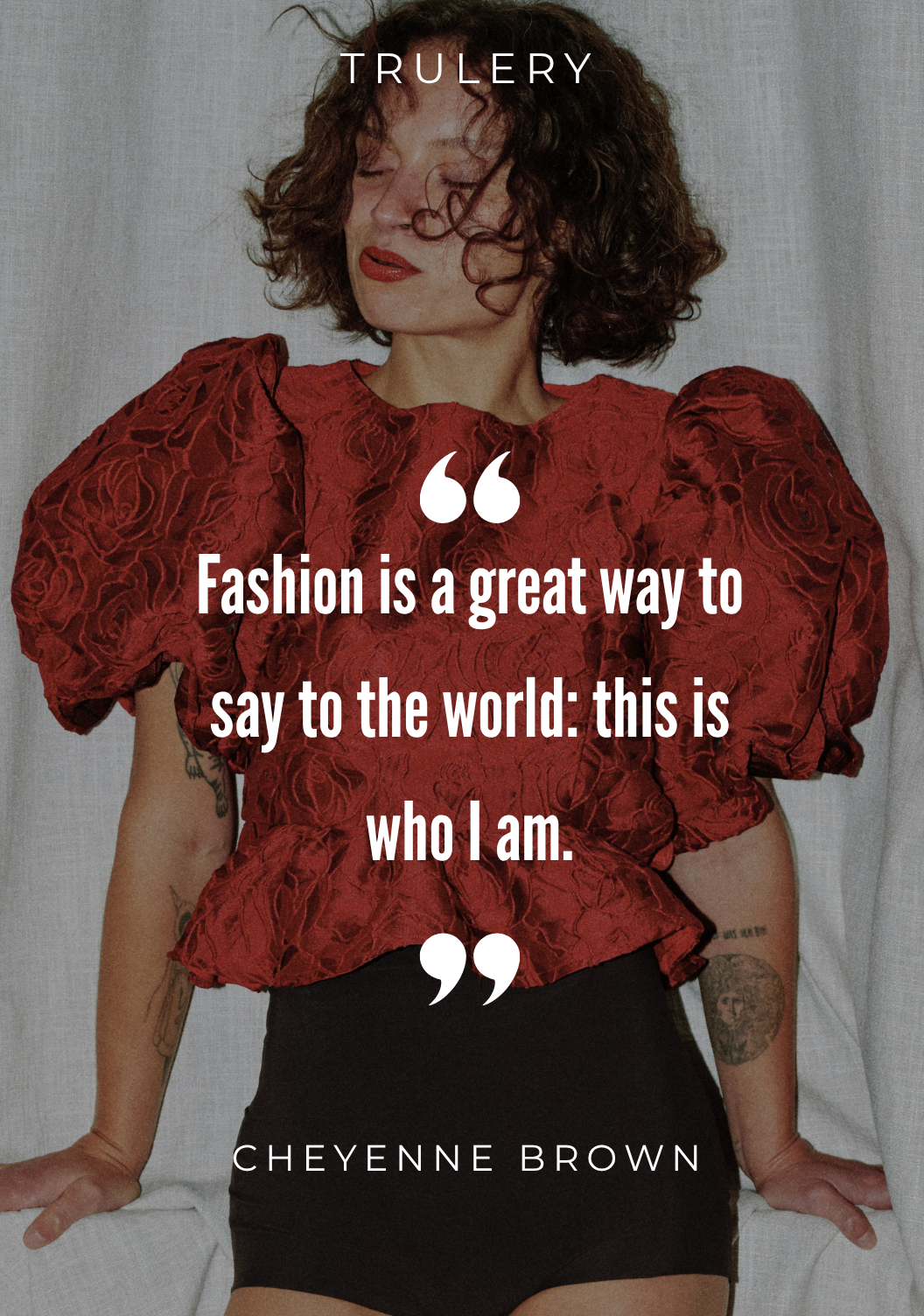
Photo via Roberto Sant’ Anna
When your romantic partners mistreat you and the closest you can get to stability is a rent-controlled apartment, maybe filling that apartment with designer items softens the blow. But it’s much more than that. Your wardrobe is an expression and even an extension of self. Fashion is a way of saying to the world: this is who I am. It’s also a great way to form community with people who identify with the same styles and ideas.
Like Carrie, these characters all worked on themselves, albeit at a glacial pace. But it’s not their growth that draws us in. Perhaps it was never about Carrie, or Rachel, or Gabi. Perhaps it was about how they make us address a part of ourselves that we’re encouraged not to provoke. Whether you watched these shows as a legalist or a hedonist, there was always a decision that sparked mixed reactions. It may have all been fiction, but one thing was real: they could never please everyone— not even themselves. And maybe accepting that in them, and ourselves, is the beginning of strengthening our self-concept.
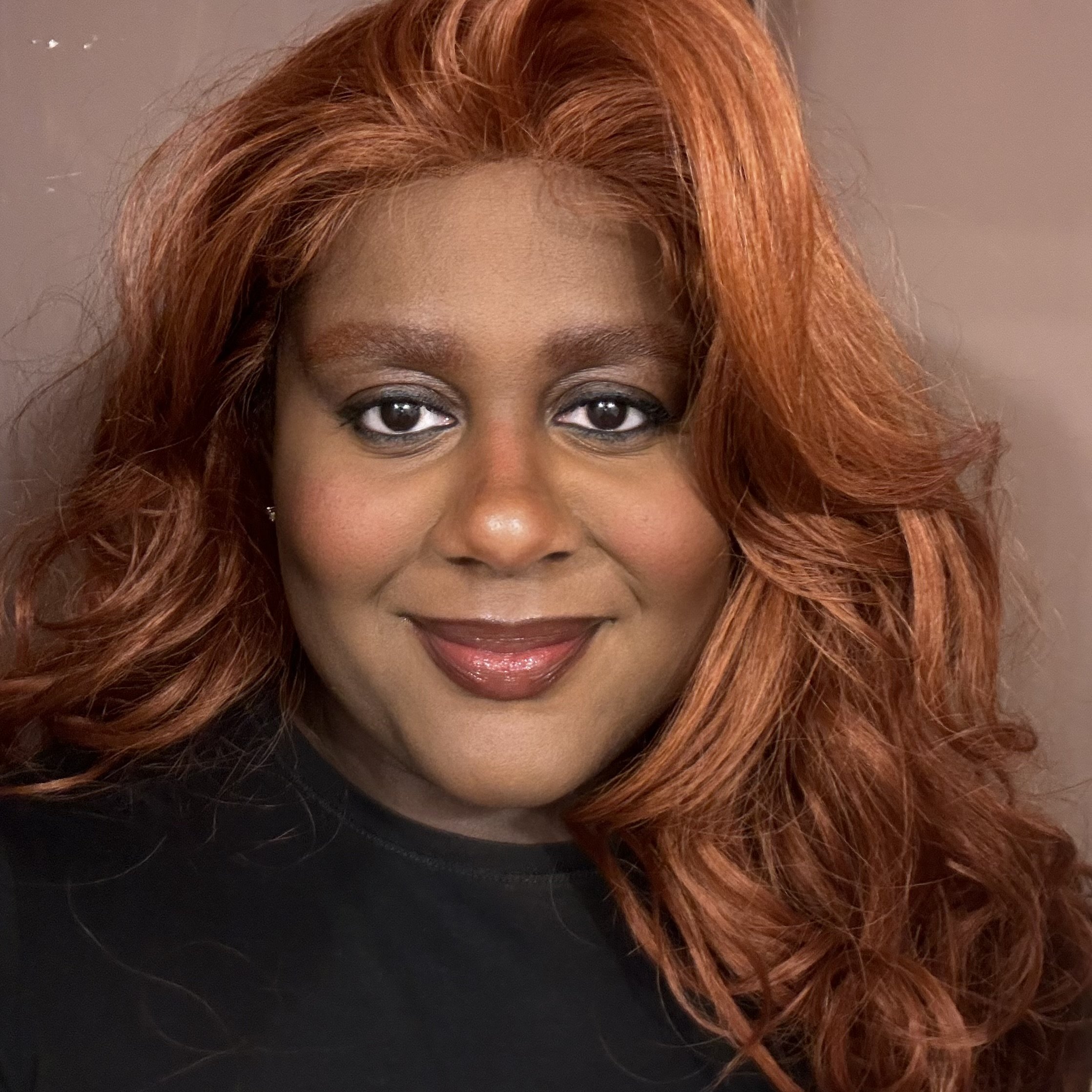
Written by Cheyenne
Cheyenne is a lifestyle writer with a particular interest in fashion, interiors and culture.