On My Mind: Letting Things Change
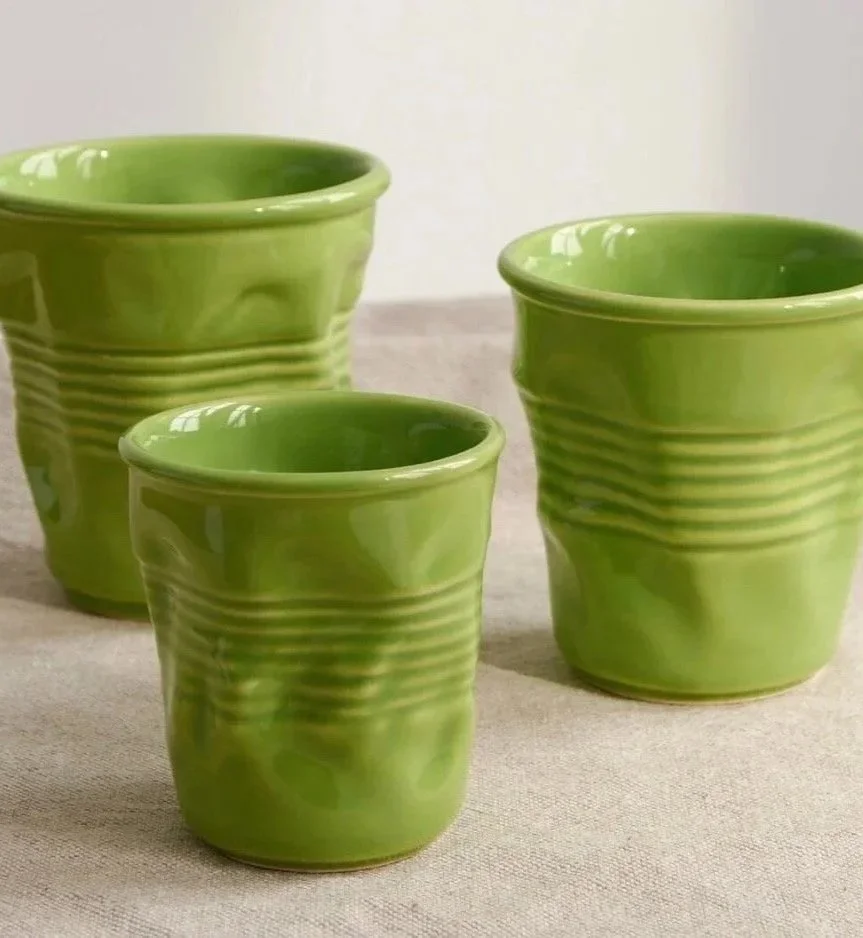
(An edit about finding beauty in the things we allow to change.)
Over the weekend, I noticed a woman who was letting her hair go gray. It wasn’t her style that caught my attention so much as the decision not to disguise what was happening. As I find myself in the same transition, I’ve been thinking about what it means to let some changes happen rather than immediately trying to correct them.
There’s something freeing about allowing a thing to show its age, history, or imperfections. A faded fabric, a scratched piece of silver, an irregular ceramic cup, or gray hair can carry evidence of time rather than trying to erase it.
The Psychology Behind It
We’re naturally drawn to novelty, but newness isn’t the only thing that gives something value. Familiar objects can become meaningful because of the memories, associations, and experiences we attach to them. Signs of age and use can become part of that meaning.
There can also be something liberating about loosening our attachment to perfection. Choosing not to correct every irregularity or sign of age allows us to appreciate characters alongside polish, and perhaps become a little more comfortable with change in ourselves.
The Collection
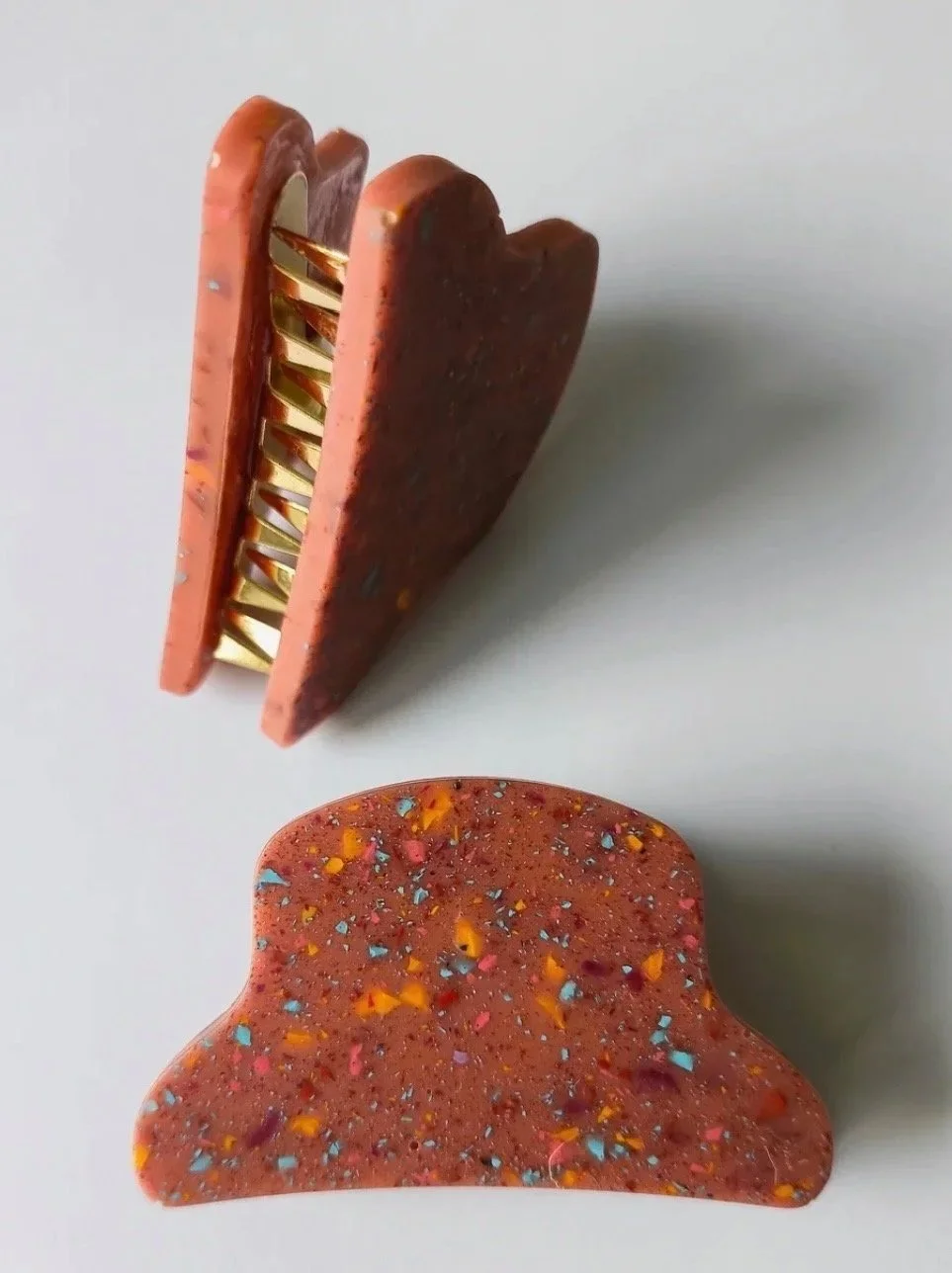
Image via Minik
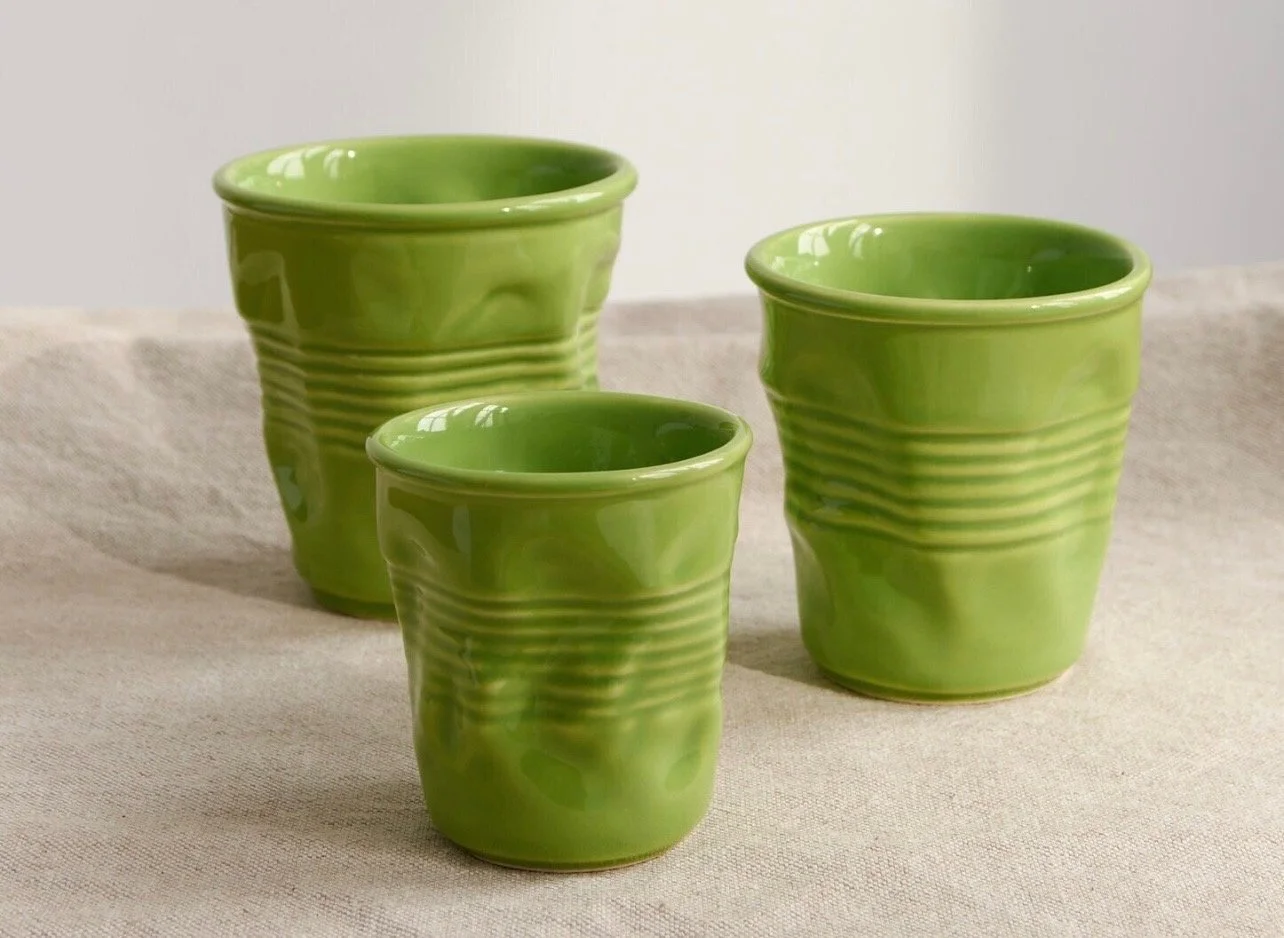
Image via ProcsCeramics on Etsy
Vintage-Inspired Hair Clip, Minik
A handmade, vintage-inspired hair claw that reminds us new doesn’t always have to look new. We like the idea of drawing on an older aesthetic rather than aspiring to look perfectly new. That something new can still carry the character of something older.
Crumbled Ceramic Cups, ProcsCeramics
These handmade ceramic cups take a shape we expect to be smooth and regular, and leave it crumpled instead. Their uneven form makes the irregularly part of the design, a reminder that something doesn’t have to be perfect to be beautiful

Image via Hotlipsbysolange
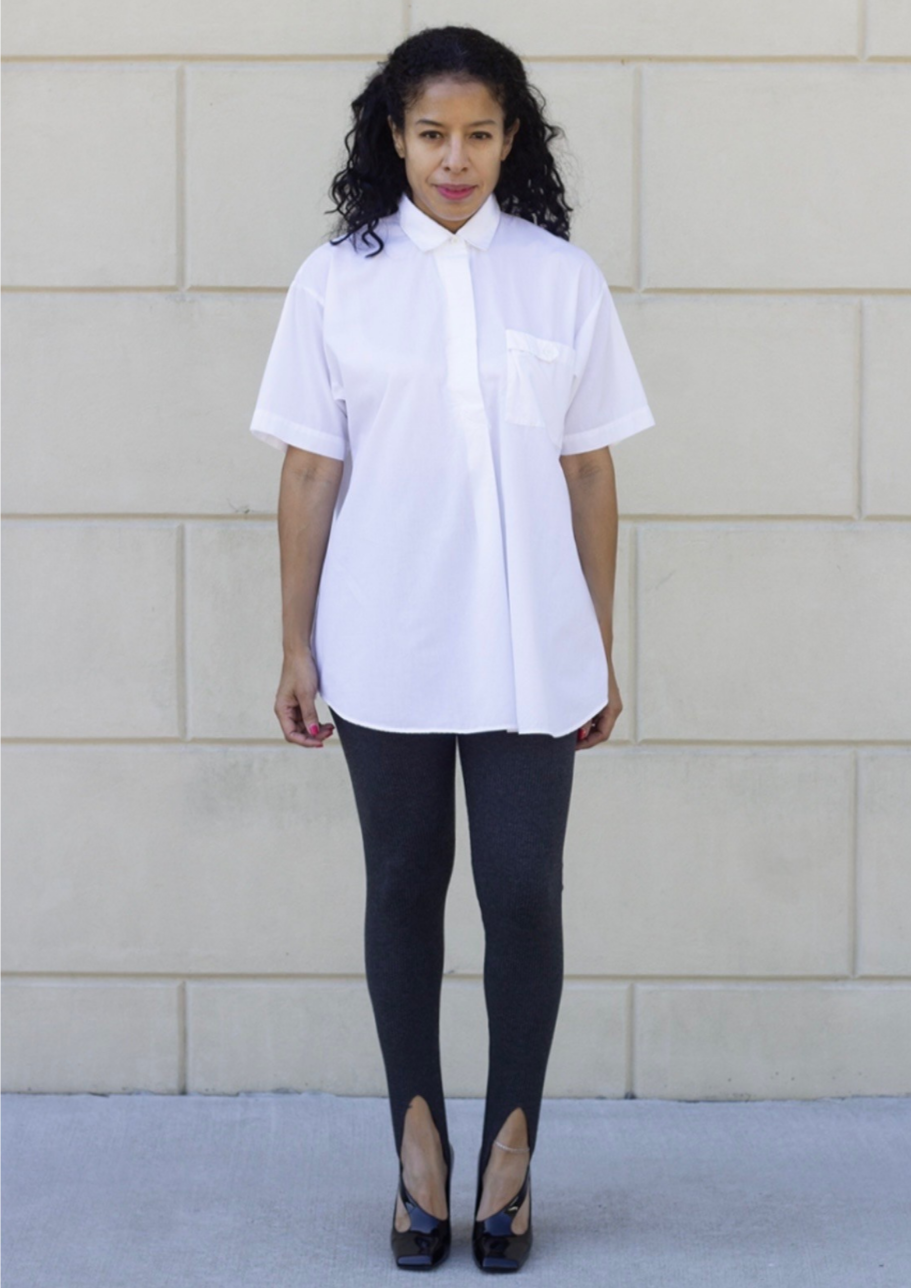
Image via Trulery
Hotlips Rings, Solange Azagury-Partridge
Made from recycled sterling silver, Hotlips is designed to be worn and worn in. The brand embraces the marks that come with wear as part of a piece’s history rather than something that needs to be erased.
White Covered-Placket Popover Shirt, Trulery Vintage
We like things that don’t need to be pristine or new to have value. This late ‘80s/early ‘90s shirt has already lived a life, and there’s plenty of life left in it.
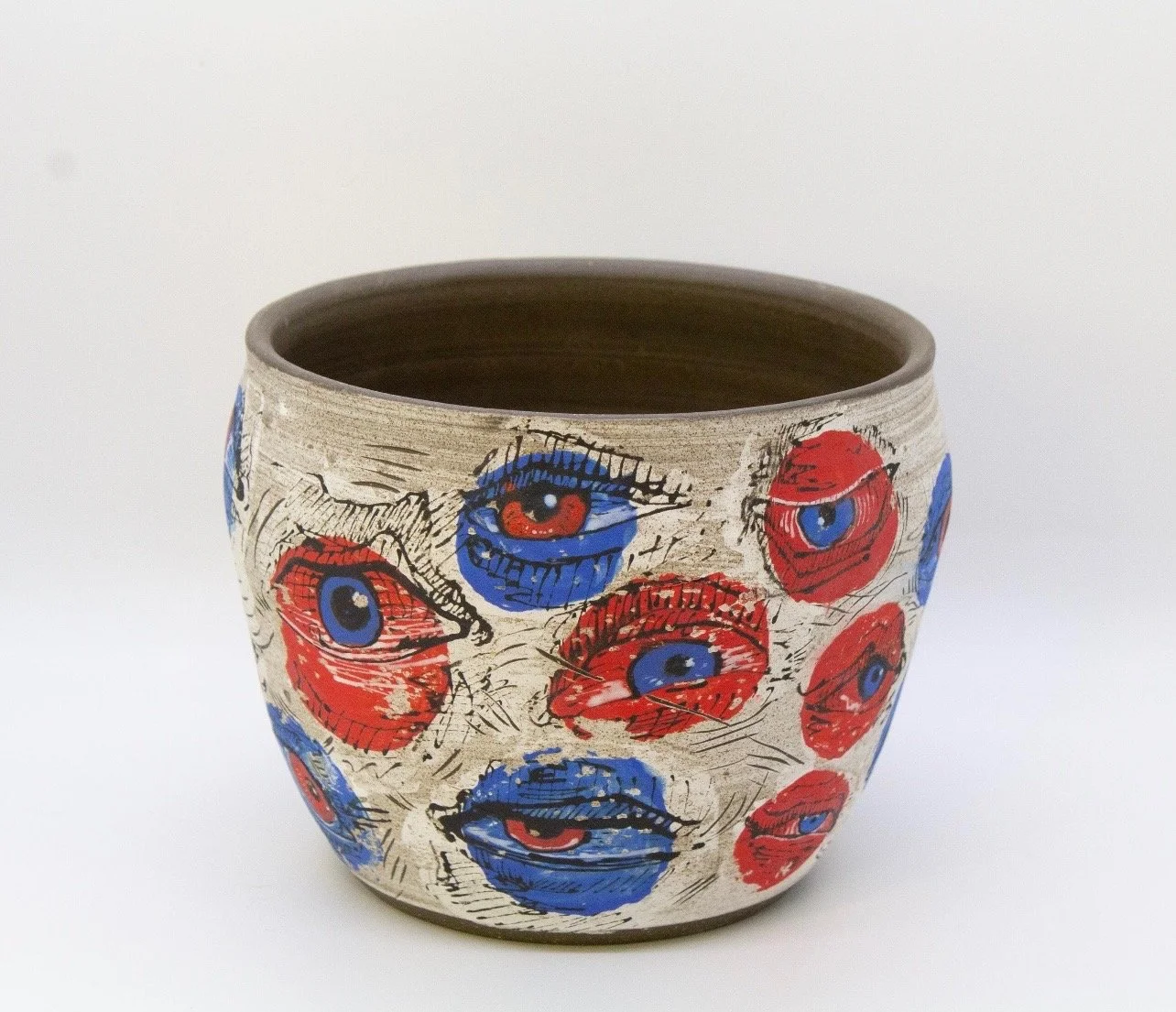
Image via EricARothCeramics on Etsy

Image by Els Driesen via Artfinder
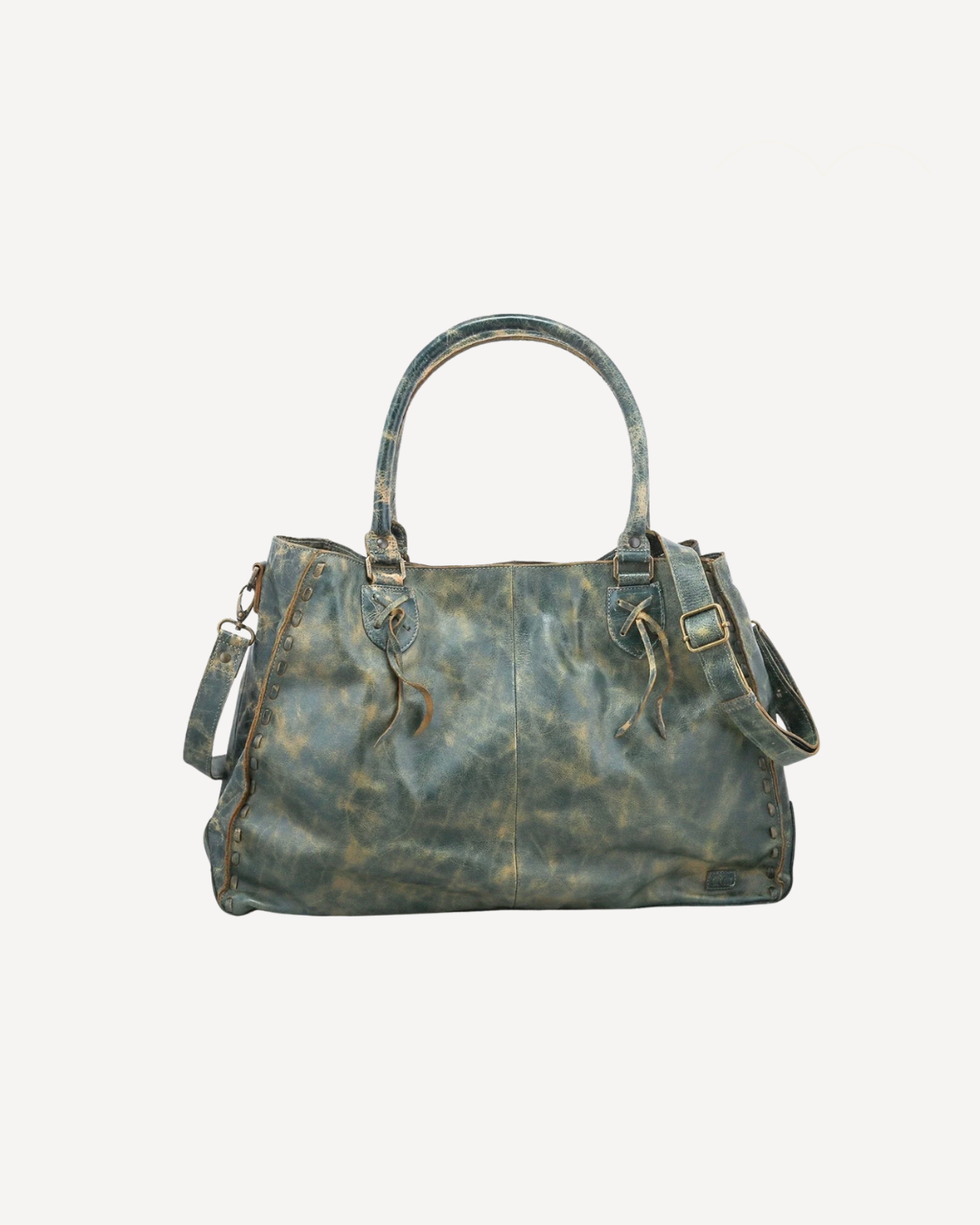
Image via Bedstu
Pop Art Eye Planter, EAR Ceramics
The marks and tears left by the transfer process aren’t removed from this handmade planter, they become part of it. We like the idea of letting the process leave its mark.
Made from vegetable-tanned leather designed to get better with time. Rather than resisting the marks that come with wear, we like the idea of letting them become part of the bag.
An original oil painting that lets grey hair simply be grey. No covering it up, not correcting it, just allowing a natural change to become part of the portrait.

A Closer Look
The common thread here isn’t really age. It’s allowing change to leave a trace. Objects fade, photographs overexpose, handmade ceramics vary, and our own appearance changes. We can restore, polish, dye, replace, and perfect, and sometimes we want to. But we don’t always have to. There can be beauty in letting something become rather than continually returning it to what it was. The signs of living are sometimes what makes a person or object more interesting.
Try This…
Wear something you’ve kept that shows its age.
Leave one small imperfection alone instead of immediately fixing it.
Notice an object in your home that has become more meaningful with use.
Choose something handmade where no two pieces are exactly alike.
Let one change happen without deciding immediately whether you like it.