2026: The Year of the Dancer
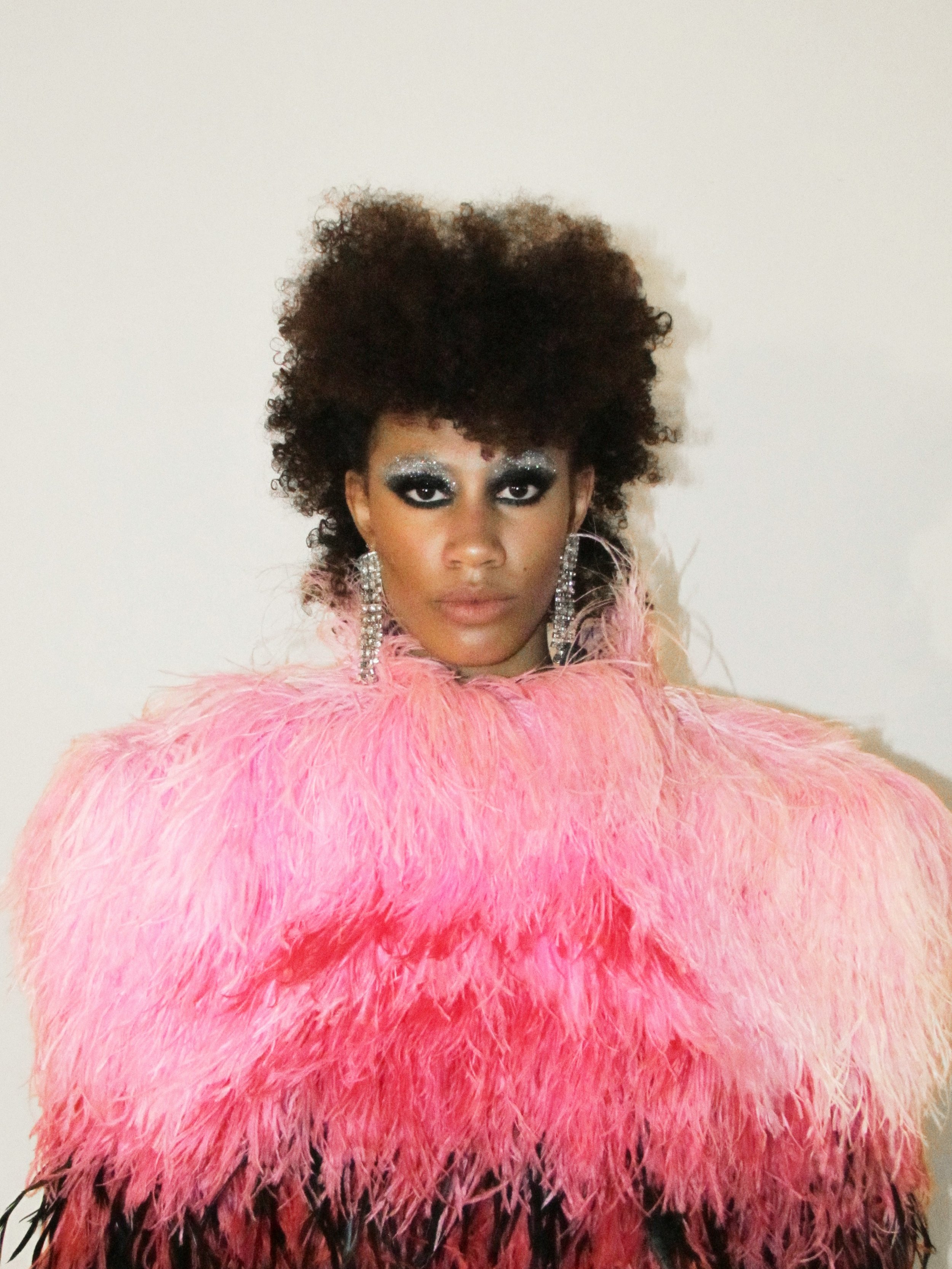
Image via Edu Bastidas
When you think of the trends that have graced shows and screens this year, there are many tastefully curated influences. One you might not think of is dance. It makes sense that we wouldn’t see it. We aren’t the dancing type. We’re the same culture where the norm is to pull out a phone and record at a party instead of entering the circle. But if you pay attention, you’ll notice that our clothes move even if we don’t.
But what forms of dance are sneaking into our wardrobes? And what does it do to our bodies and minds?
Proportions
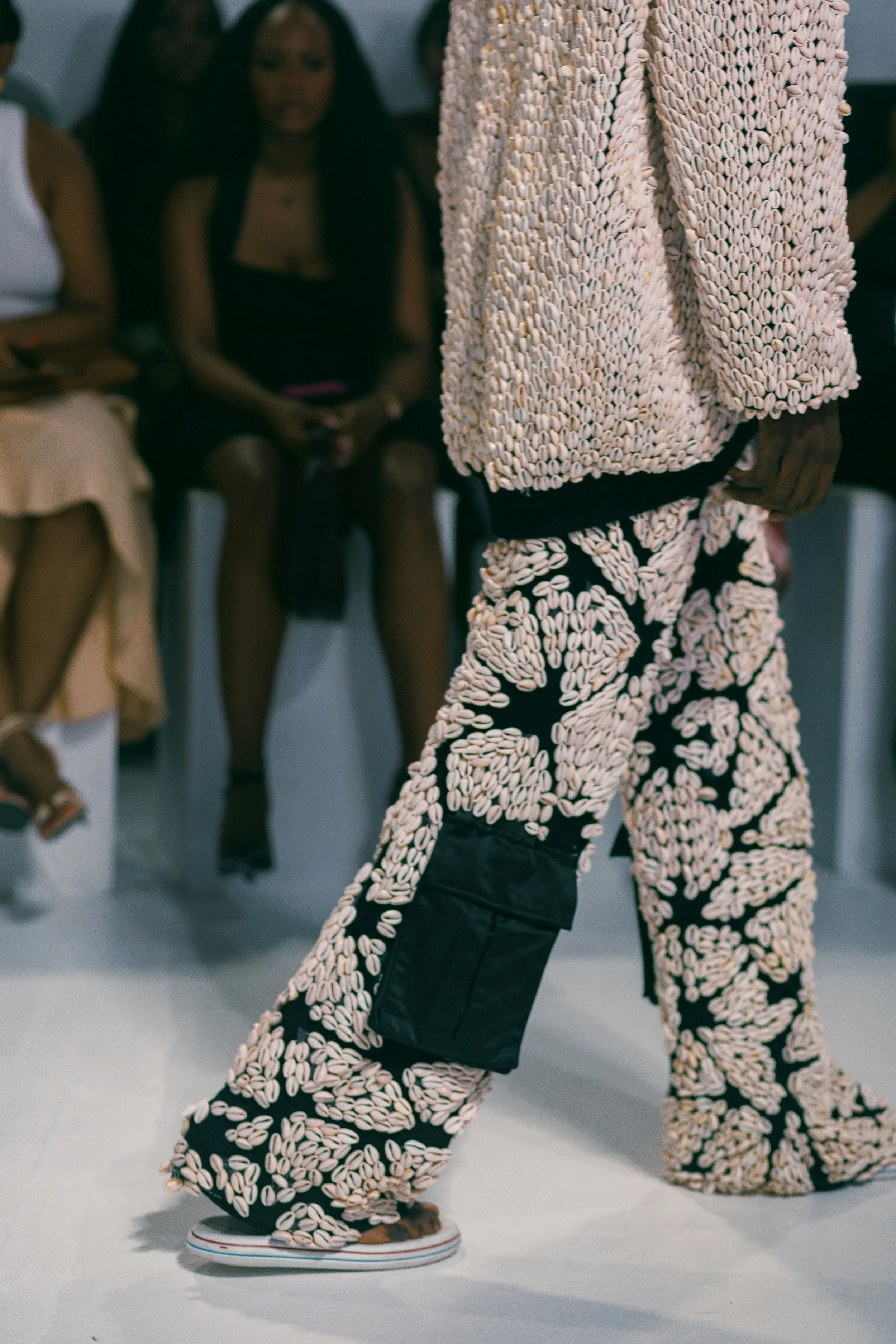
Image via Ben Iwara
The palazzo pant is a multi-seasonal staple in many trendy wardrobes. Jorts are a denim shot of androgyny for the high-low crowd who yearn for some balance. But they came from somewhere and that somewhere is hip-hop and interpretive dance.
“I would say non-dancers are drawn to the style because dance is very popular due to social media platforms such as TikTok and Instagram. It’s an accessible way of feeling included!” Sophie Birch, a UK-based professional dancer tells Trulery. “People see how effortless and stylistic these viral dancers are and look to them when wanting to give a relaxed but put together vibe!” She adds: “Also dancers' clothes are worn for comfort, whether that is to comfortably move or to feel comfortable in their body, and this is what I assume everyone is looking for in their outfits!”
And researchers would agree. A study looking at how clothing pressure affects brain wave activity found that tight clothing (a girdle in the experiment) around the waist induced activity that suggested discomfort. Another study on women’s comfort and the fit of athleisure found that tight and revealing clothing led to self objectification and increased appearance monitoring.
“[Comfort] changes the way the movement looks,” says Sophie. “Baggy clothes flow with commercial and hip hop movement, adding an extra layer of depth to each move, accentuating the style further,” she adds.
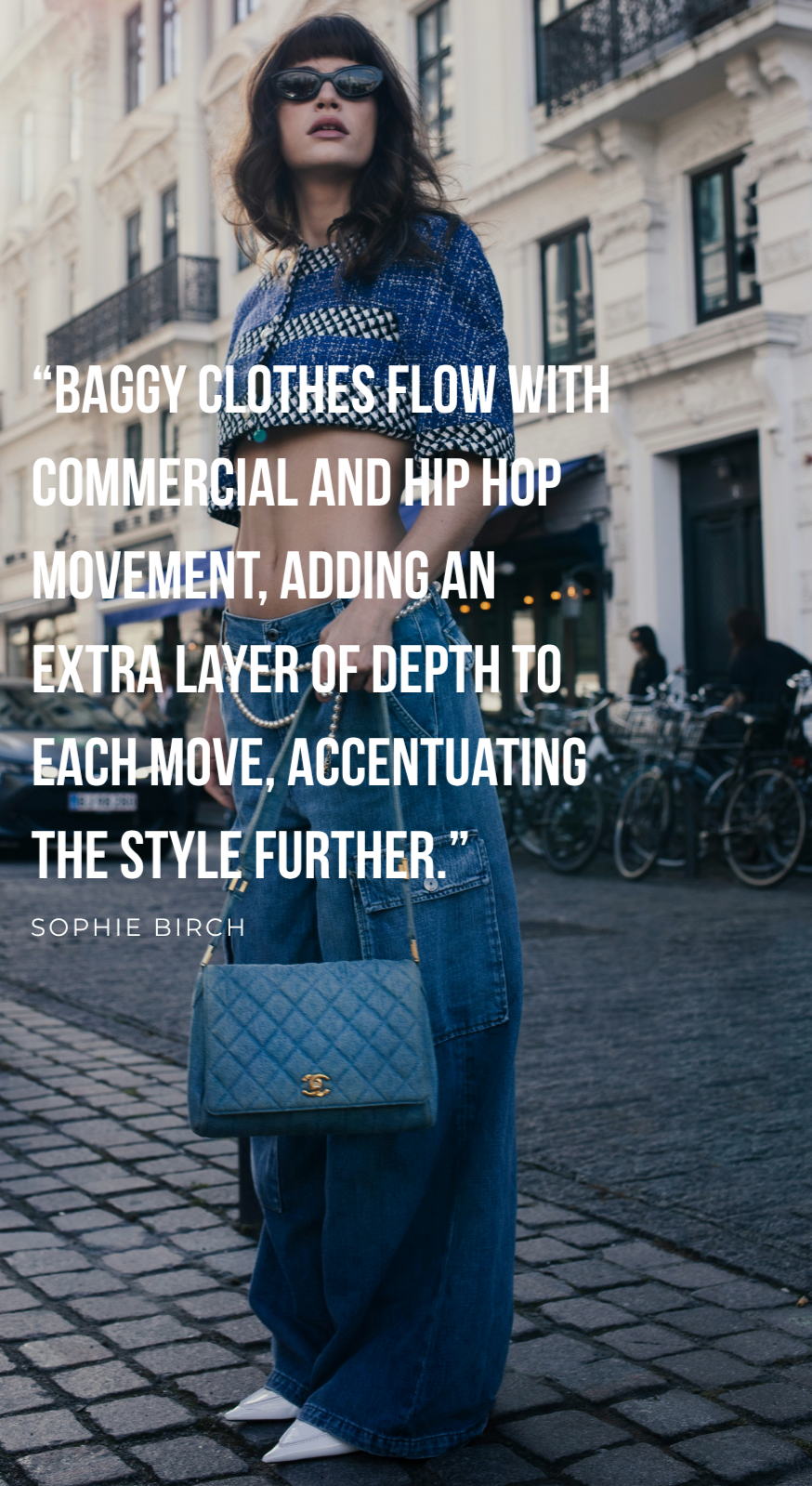
Image via Filip Rankovic Grobgaard
Expanding on Sophie’s take about movement, clothes also change the range of movement. A great visual example of this is @chloes.looks ’s video on how choreography can be completely changed depending on whether you wear fitted or baggy clothes. The point stands for daily movements too. Baggy clothes make the movements seem bigger and more fluid than tighter ones do.
Tight clothes, alternatively, can reveal some of our unmet psychological needs. Moya Sarner, a UK-based NHS psychotherapist wrote for the Guardian: “I often wonder about the psychological and emotional meaning of wearing clothes that cling: skinny jeans, skintight T-shirts and shapewear. I think it’s not just about how these clothes make us look, but also about how we want to feel inside. Deep down, we crave a feeling of emotional containment, but this kind of psychological skin cannot be ordered online.” She says, “When we are missing a sense of feeling secure with boundaries, safe within ourselves—unable to find meaning in our emotions and thoughts, instead feeling constantly overwhelmed by them—perhaps we seek a secure physical container instead.” Moya goes on to say that her clothing choices became looser as she found emotional containment in the right places.
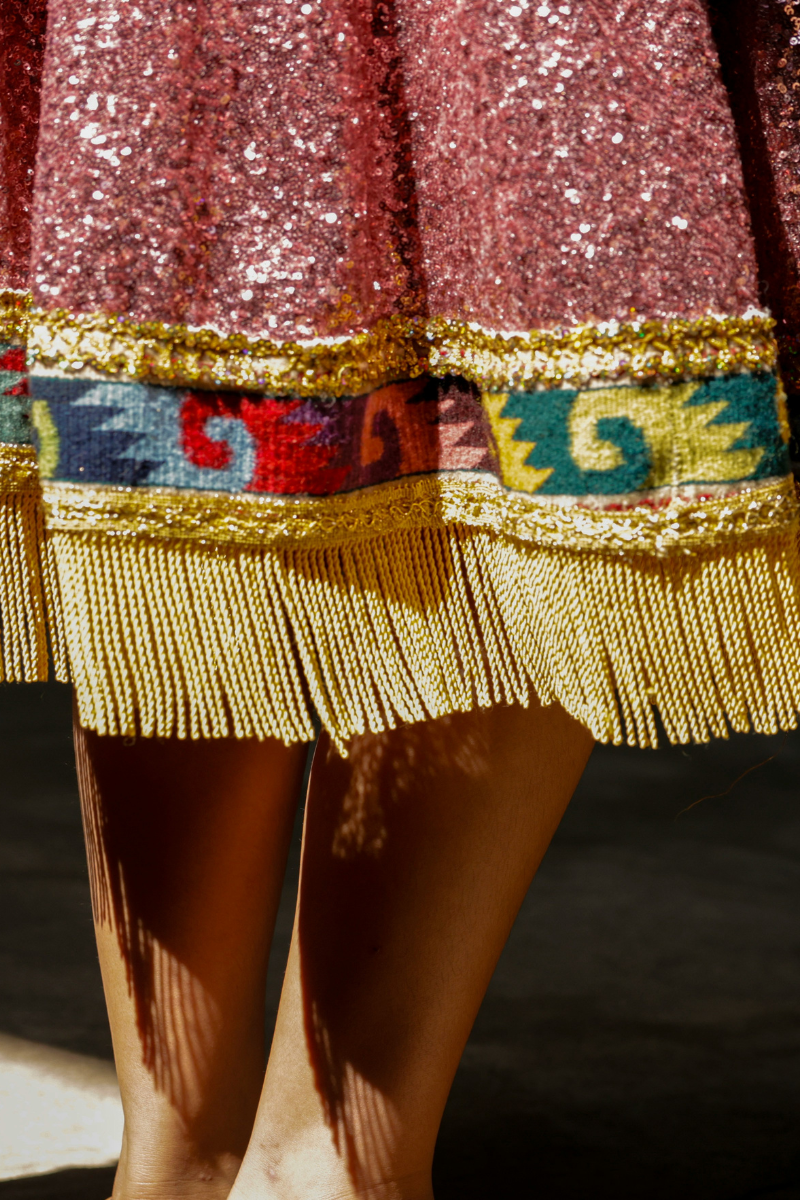
Image via Luvia Lazo
Fringe has no particular owner or style of dance. Seen in the longstanding traditional dances of indigenous groups across the world and contemporary styles like salsa and western line dancing, fringe belongs to everyone. Starting in the 15th century under garments to give them shape and size, frills find themselves on the facade as they are adopted into Flamenco, originating in Seville, Spain. The movements aren’t just larger but they are fluid and rhythmic. As a sewist, the geometry of frills is mesmerizing. To take a spiral and make it into decorative finishing that resembles flower petals would’ve been extraordinary at the time. It still is today.
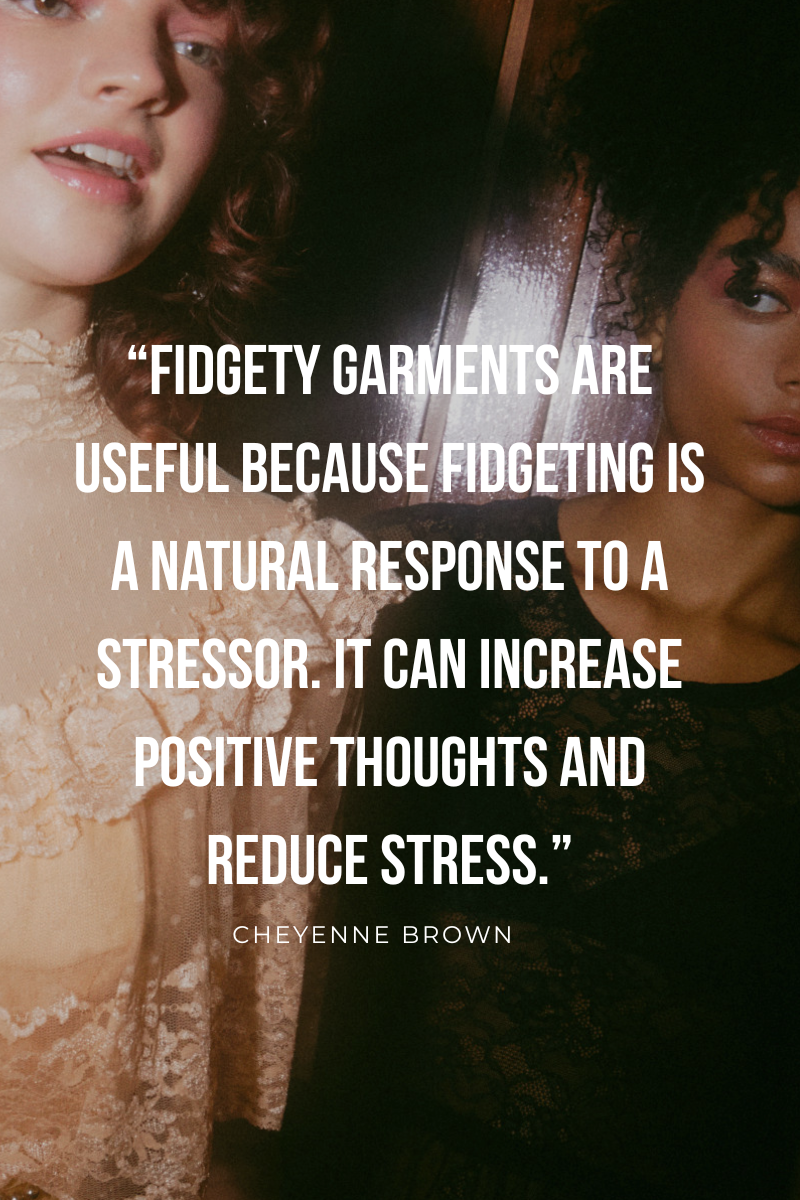
But both decorative features might be more than just fun to look at. These trends spark joy because they physiologically create it through gentle touch. Wearing pieces that gently brush the skin can increase oxytocin, lower blood pressure and heart rate and help to regulate cortisol production. For the right person, it’s also a stress-coping mechanism. Fidgety garments are useful because fidgeting is a natural response to a stressor. It can increase positive thoughts and reduce stress. However, it can become unhelpful and worsen anxiety if it’s not controlled and becomes compulsive.
Ivan Resnik
“From the angle of heels dancing,” Sophie says, “I would say frills and fringe are worn by dancers as a way of dressing for the female gaze due to the already sexual nature heels can sometimes portray. So when non-dancers encounter dressing in this perspective, they see it as empowering and inspiring. This also changes the way the moves look, for example: wearing bloomers (frilled shorts) in a heels class can accentuate the hip movements and make the move appear bigger than performed”
Trend or Tendency?
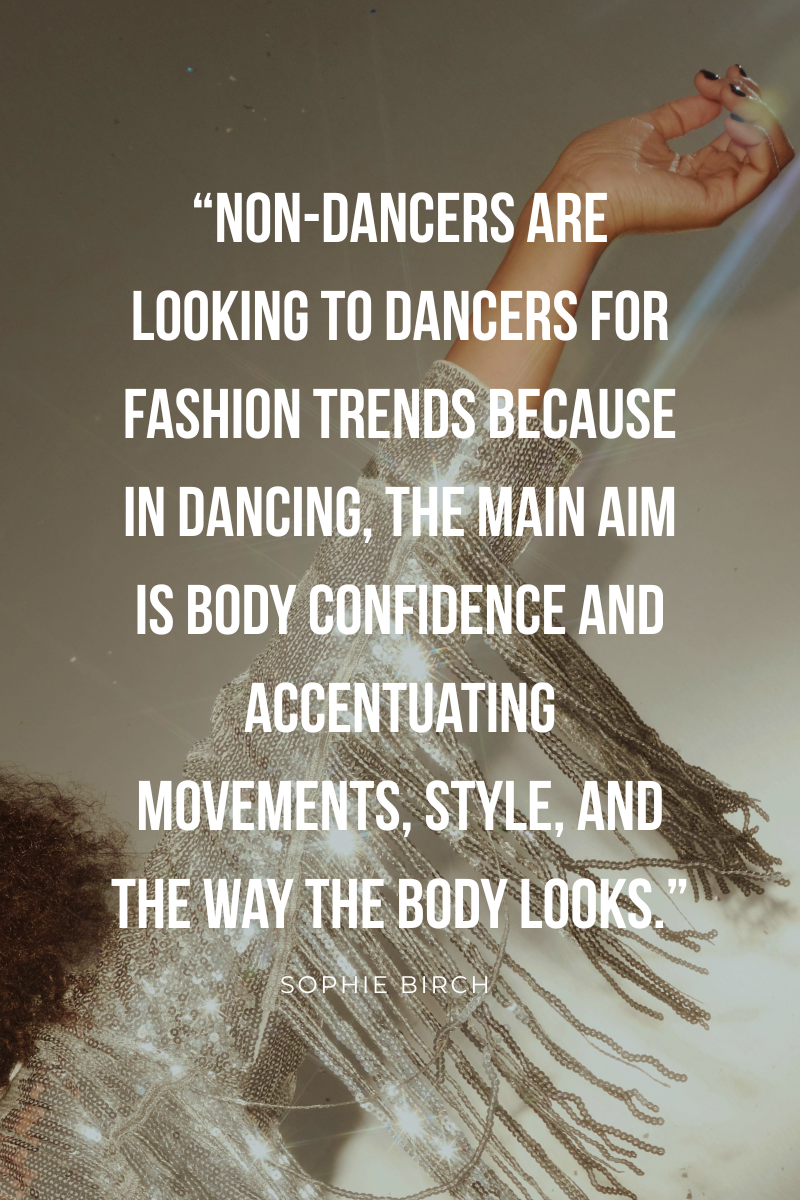
Image via Andrej Lisakov
While it’s simpler to say that the popularity of these styles is just “whimsy-maxxing” there is something to be said about our need to relieve stress and to deal with difficult emotions that, like Moya Sarner said, we need to face outside of the wardrobe.
“The main take away is that non-dancers are looking to dancers for fashion trends because in dancing, the main aim is body confidence and accentuating movements, style, and the way the body looks. I believe people really look towards it when shopping everyday,” Sophie says.
In the same way dancers perform, we are putting on a show every time we step outside—the choreography being our styling choices. Clothes can be a way of getting the attention of others and ourselves. Enclothed cognition theory suggests that clothes impact our psychological processes and change the way we think, feel and act.
I think we can learn something from the “confidence” and “accentuated movement” that the stylistic motifs on the market provide. If we want to connect with our bodies and sense of self more deeply, maybe we ought to get back to dancing.
Meet the Expert
Sophie Lily Birch is a professional dancer, choreographer and teacher based in Manchester, originally from Shropshire. Working across the country performing many styles including samba, heels and commercials, Sophie's days never look the same!
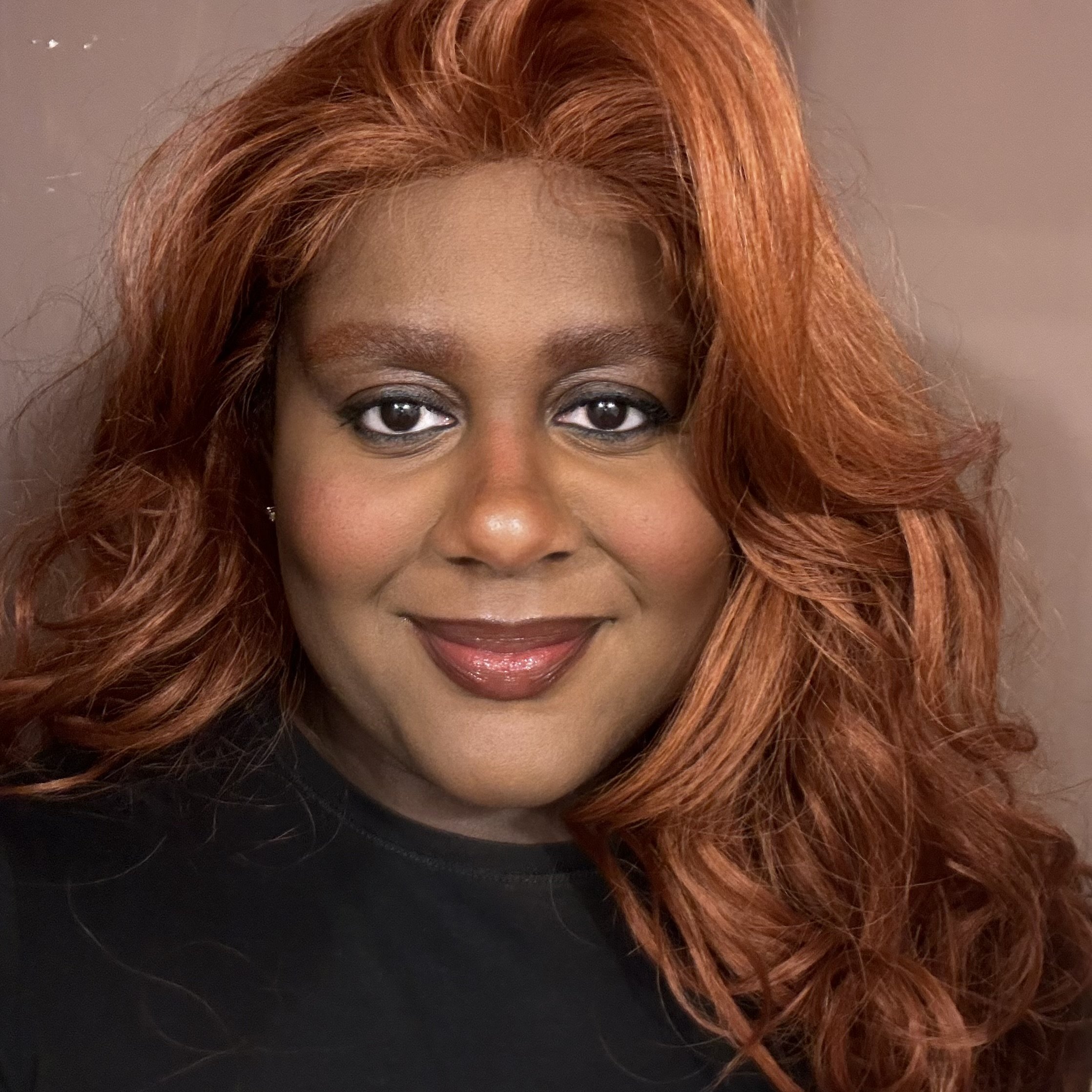
Written by Cheyenne
Cheyenne is a lifestyle writer with a particular interest in fashion, interiors and culture.