Vintage Shops and the Psychology Behind Them
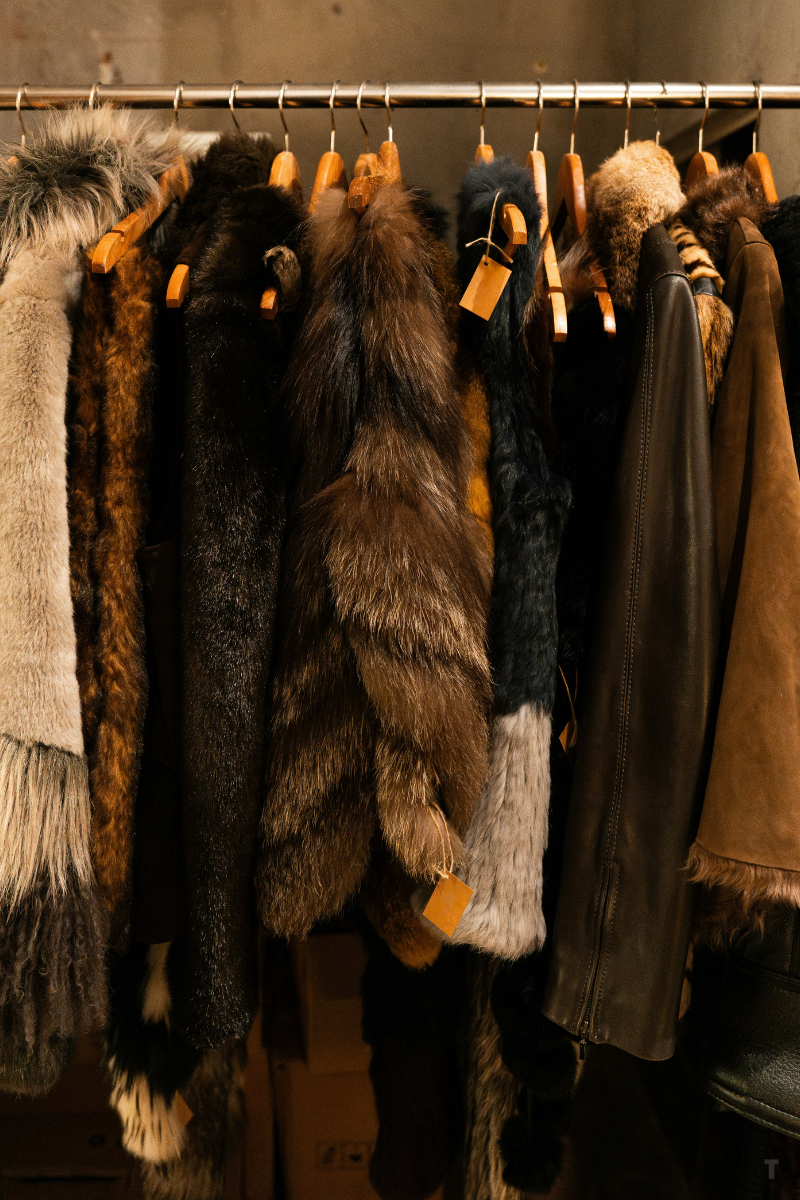
Pic via Imtiaz Ahmed Dipto
Many of us have experienced the mood-boosting lift of buying a new outfit, turning to “retail therapy” when we’re feeling overwhelmed. And with everything going on in the world, finding moments of peace or healing in our surroundings can feel complicated. After a global pandemic shifted how we relate to each other, we’re all still figuring out how to move through the world safely and authentically.
As we continue to learn and un-learn what connection looks like now, how do we engage with shared spaces anymore? And do they still give us the connection and creativity we crave?
My short answer is yes– if we know where to look. And one of those unexpected places is your local vintage or thrift shop.
It may not look like a healing space at first glance, but these shops carry their own kind of comfort— quiet corners, textures with history, unexpected conversations, moments that make you pause. They’re small pockets of magic tucked into everyday life.
During a recent trip to visit a friend in Denver I felt this firsthand. I was searching for the perfect belt to complete an outfit for the concert we were going to that evening, which led us into several of the local vintage and boutique shops near her neighborhood.
One boutique we entered carried a wide range of clothes and accessories. And while there were a myriad of belts to choose from, the commercial feel and expansive layout didn’t give me the cozy vibe I usually associate with a vintage shop. Something felt missing– a lack of soul or story, so we eventually made our way to a nearby vintage store.
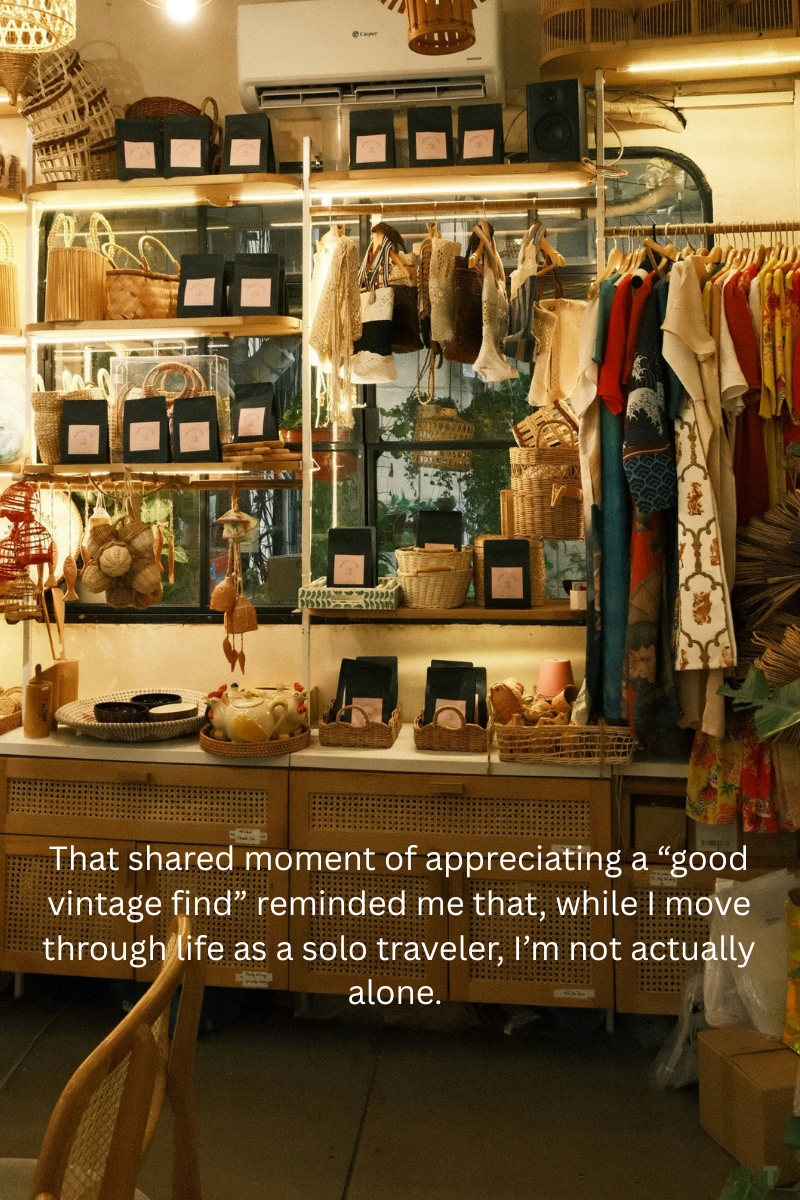
Pic via Tan Tony
And that’s when the day began to shift. Aesthetically, the storefront didn’t stand out among the other shops on the block. But once inside, the atmosphere changed– even my body relaxed. The small space carried, the scent of old stories, with walls of leather mingling with the overall aroma of previously-loved clothes, shoes, and accessories. It felt tight in the best way, like stepping into a place filled with memory and meaning.
I immediately felt nostalgic, sensing, this is more like it. Even with one or two other people browsing, the space felt intimate, a special place that had been waiting for us to arrive at that exact moment.
As the shop-owner pointed me towards the belt section, my excitement grew, and my intuition nudged me to wander, to see what other treasures this magical little place held.
Psychiatrist and co-author of The Creativity Cure, Dr. Carrie Barron describes several reasons why thrifting and vintage shopping have grown in popularity in recent years. There’s the meaningful connection to the past, the creative act of sifting through one-of-a-kind items, and the way time seems to slow as you hunt for something special. There’s also the thrill of the unexpected “treasure”, the ability to claim your unique style, and the satisfaction of saving money while making a more sustainable choice with preloved items.
A meaningful connection to the past can be one of the most healing aspects of thrifting or vintage shopping. In a world that often feels uncertain, touching something familiar, even something once loved by someone else, can create a sense of comfort. Entering a space filled with objects that hold past energies, also invites us to think differently about the item itself.
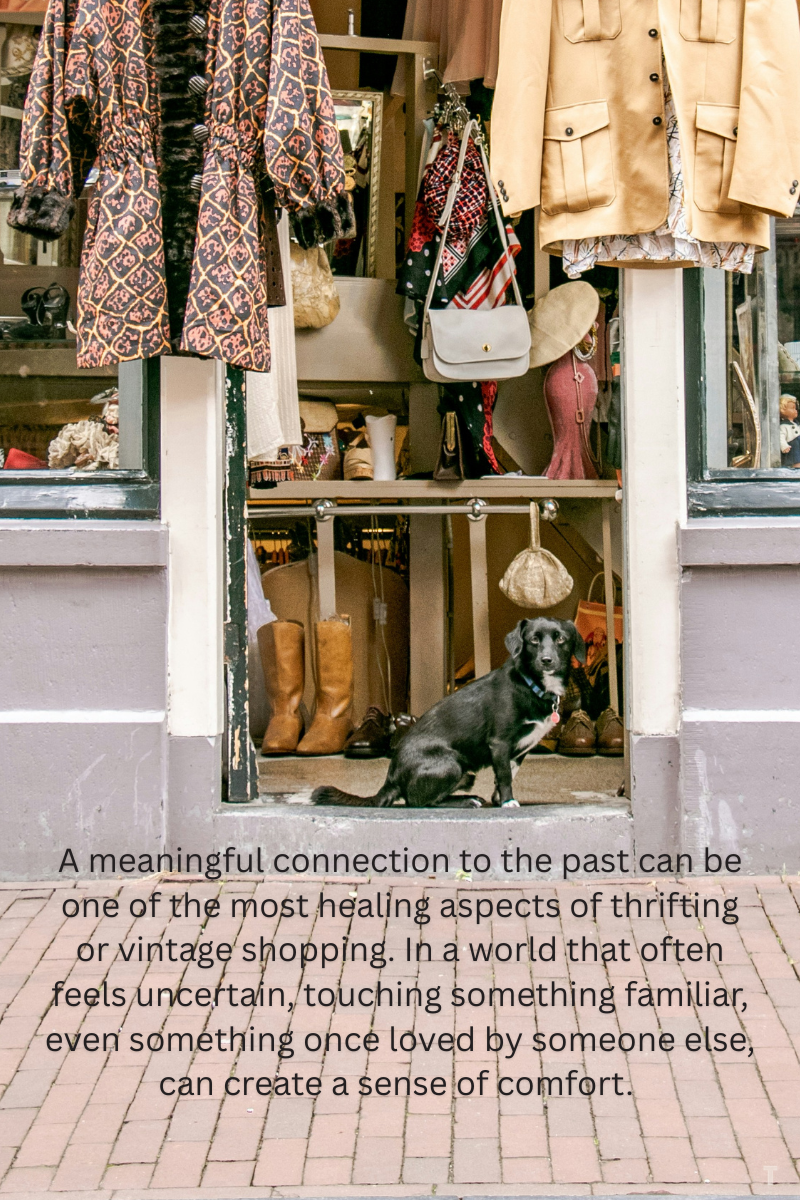
Pic via Natalia Bennett
We can be transported backward or forward as we connect with items that carry their own histories. Research has shown that evaluating a vintage item can activate more thoughts about the connections between the past, present, and future, than evaluating something modern. In that way, vintage shopping becomes more about engaging with continuity, imagining where an object has been, who cared for it, and how it might now fit into our own story. Through these pre-loved clothes and objects, we may even feel a sense of connection with people we’ve never met, linked across time by something they once held.
But not everyone finds comfort in a small space. Research has shown that tight spaces can have both “positive” and “negative” effects depending on the person. For some, smaller spaces can feel homey or naturally bring people together. For others, especially those sensitive to clutter or with a history of feeling overwhelmed in tight environments, they can heighten anxiety or claustrophobia.
In this shop, the size could have easily tipped toward that discomfort, but the layout created a different experience. One section of the shop was elevated, increasing the overall ceiling height, and giving the space a more open feel. A study by Vartanian found that higher ceilings are associated with greater visuospatial exploration, and this shift in room level seemed to have that effect. The raised area naturally guided the eye upward, toward the colorful accessories and clothes along the walls.
As a more introverted person, bumping into other customers in a small shop is something that would normally make me feel uncomfortable. So when another shopper smiled at me, and glanced down at the pair of boots I was trying on, ones I was seriously considering, I saw a glint in her eye that looked a lot like the one in mine. With more excitement than I expected , she asked, “Are you getting those?”
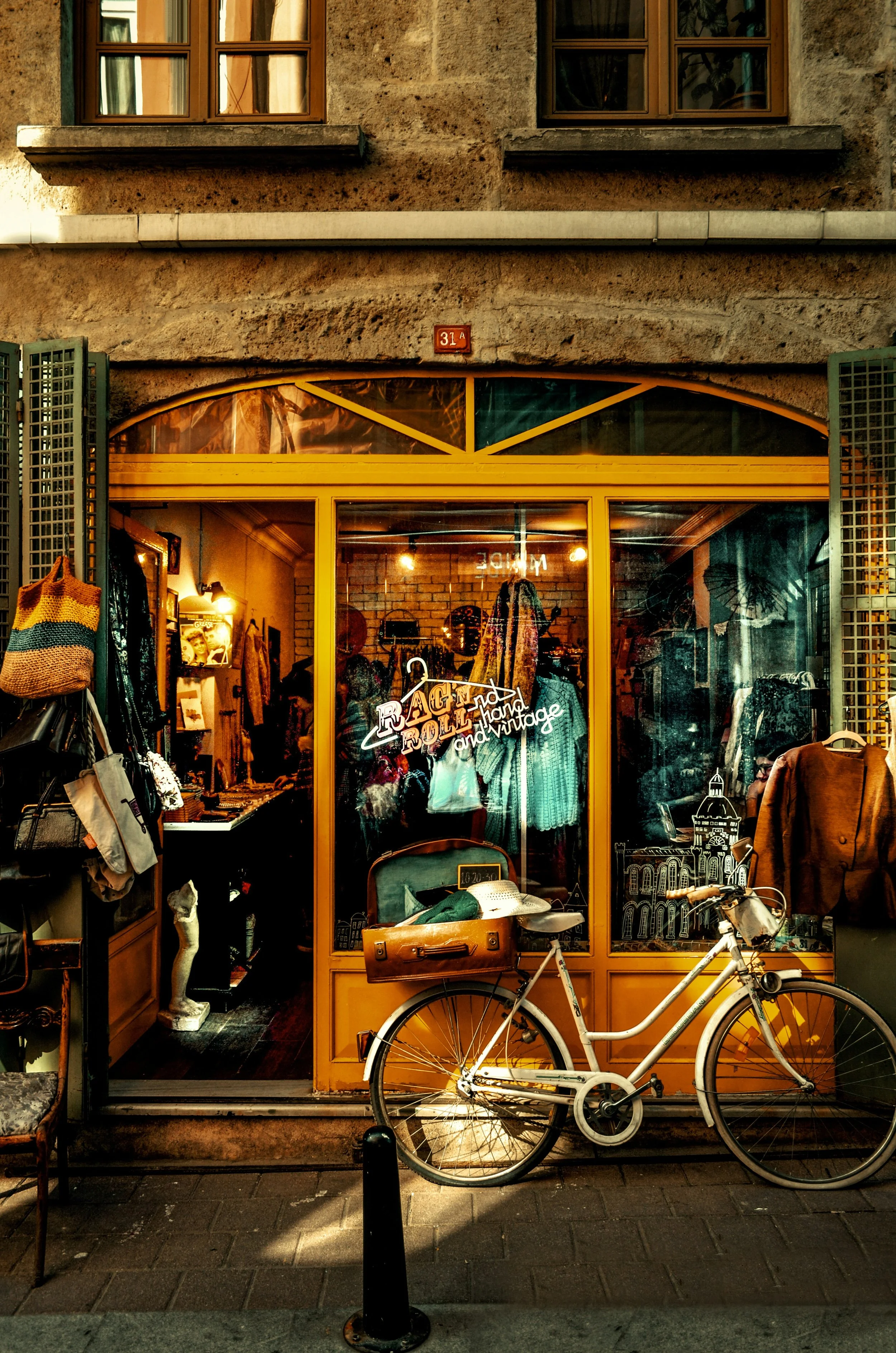
Pic via Volkan Buyukvardar
My first reaction was to pull back. I wasn’t sure if she wanted them too, and my hypervigilance kicked in, trying to hold onto my little solo moment.
But then she told me how great the boots looked on me, and I realized her intention was kind. In that moment, I felt seen and supported.
A surprising amount of self-awareness and magic came from that fateful shopping trip. I recognized the part of me that prefers wandering a vintage shop in solitude, while also tapping into my love of discovering unique pieces that feel like “me.” Beyond finding the perfect belt (and boots), I also connected with a fellow vintage-explorer, an interaction that initially felt uncomfortable, but ultimately shifted into mutual appreciation and the nourishing feeling of being seen in my uniqueness.
Evidence from behavioral and neural research supports the idea that experiencing a “generalized shared reality” with someone else strengthens social connection, an experience closely tied to greater well-being.
That shared moment of appreciating a “good vintage find” reminded me that, while I move through life as a solo traveler, I’m not actually alone. There are other humans who find joy in discovering an old pair of boots that fit just right, who follow their quirky desires and personal style into spaces like that shop. Feeling connected to that wider community felt like a boost to my emotional wellbeing, a salve for the persistent isolation that plagues so many of us.
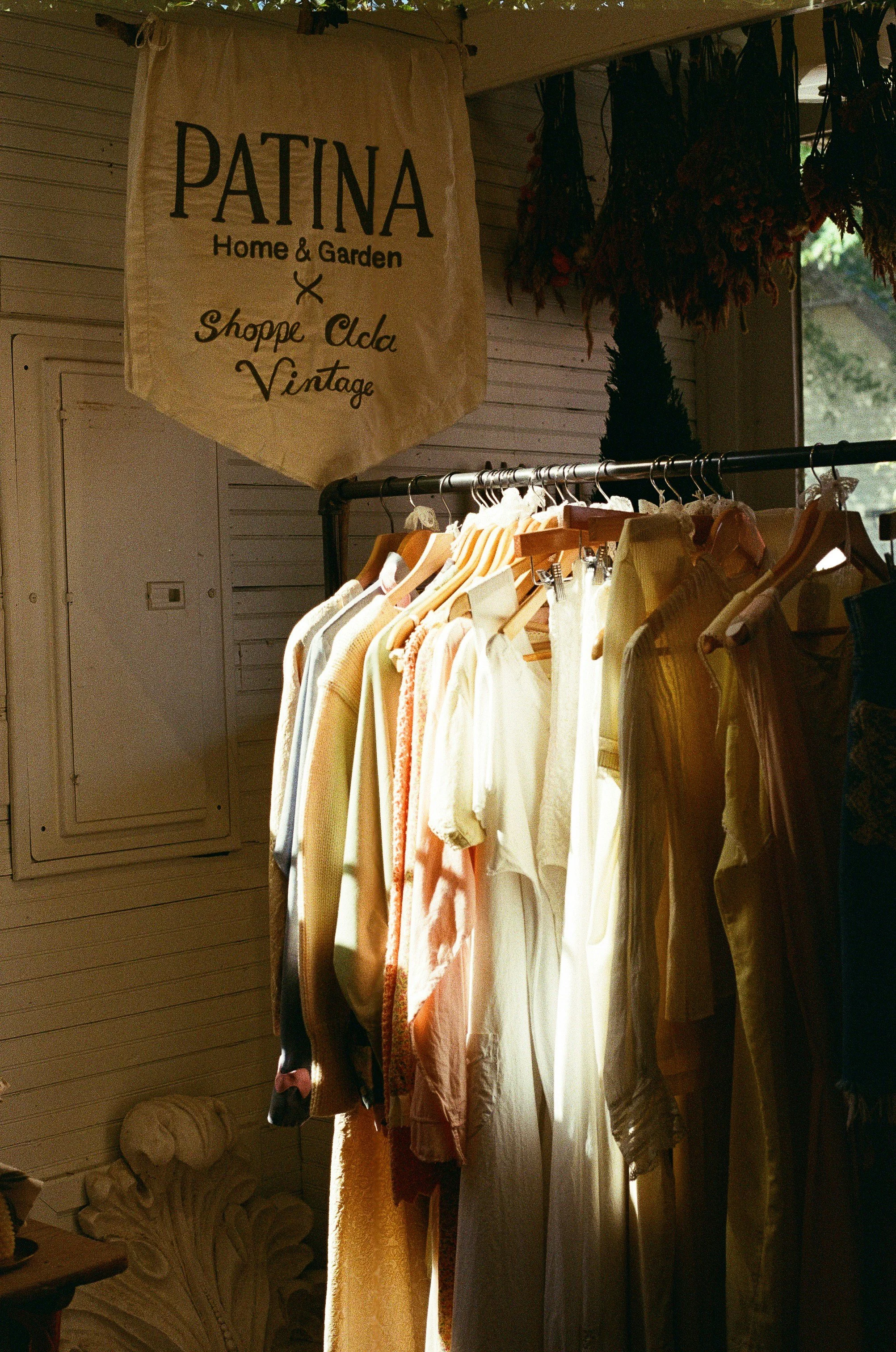
Pic via Lilly Branks

Written by Suzan Ahmed
Suzan is a design and clinical psychologist, and the founder of Design with Dr. Za. Through a trauma-informed design psychology lens, she helps people create spaces that feel emotionally supportive, safe, and aligned.
She is a contributing writer to Designing Women’s Lives: Transforming Place and Self by Toby Israel, PhD, and hosts the Design Deep Dive podcast exploring the psychological and spiritual relationship between people and place. Suzan also enjoys traveling and observing how culture and environment shape the way we live.