When Jewelry Becomes an Heirloom
A conversation on how jewelry gathers meaning through memory, identity, and everyday life.
This article is part of TruForm, an ongoing series exploring the emotional layers of how we dress, dwell, and define ourselves in ways that bring us closer to true form.
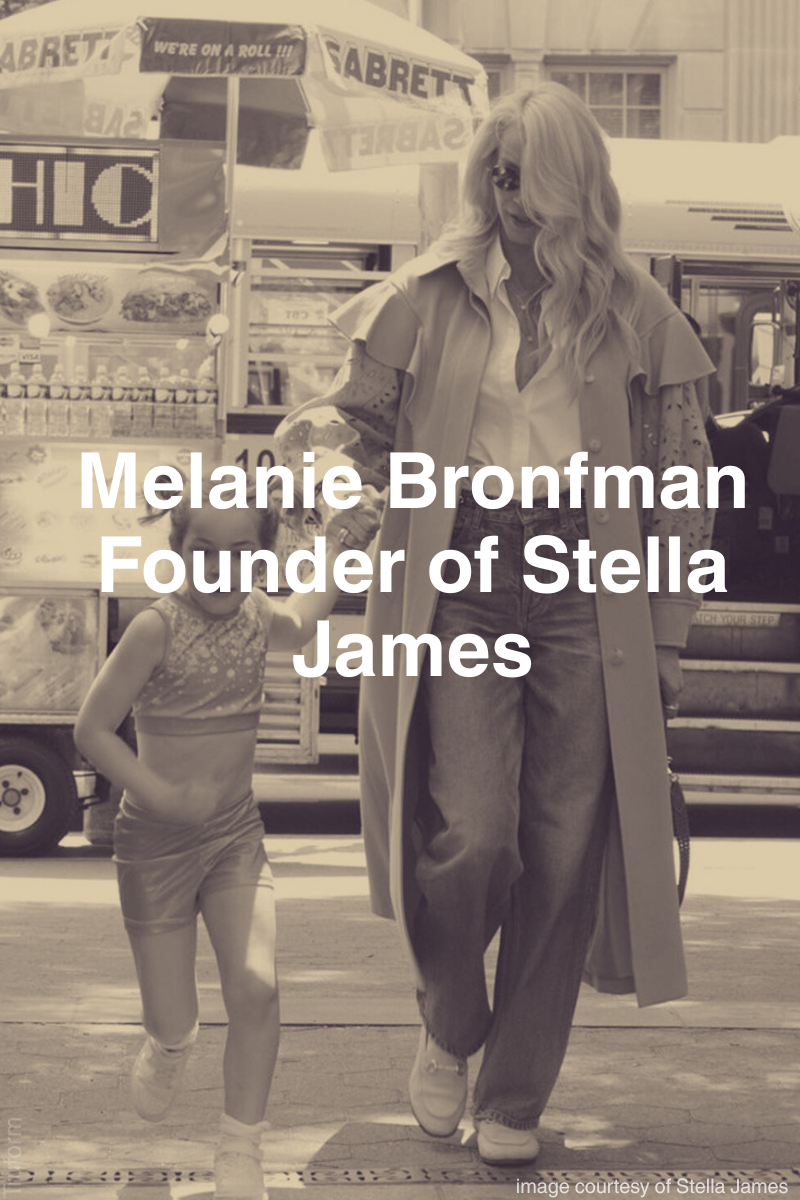
In this conversation, we speak with Melanie Bronfman, founder of Stella James, about her approach to jewelry as something more than adornment. Through the lens of fashion psychology, we explore how objects gather meaning over time, shaped by memory, symbolism, and the stories people carry with them. What begins as a beautiful object can gradually become an heirloom, holding personal and family history across generations.
What Makes an Object an Heirloom
Trulery:
You've shared that you couldn't quite find jewelry that met your standards for both premium design and heirloom quality. When you began imagining Stella James, what made a piece feel truly heirloom-worthy to you?
Melanie Bronfman:
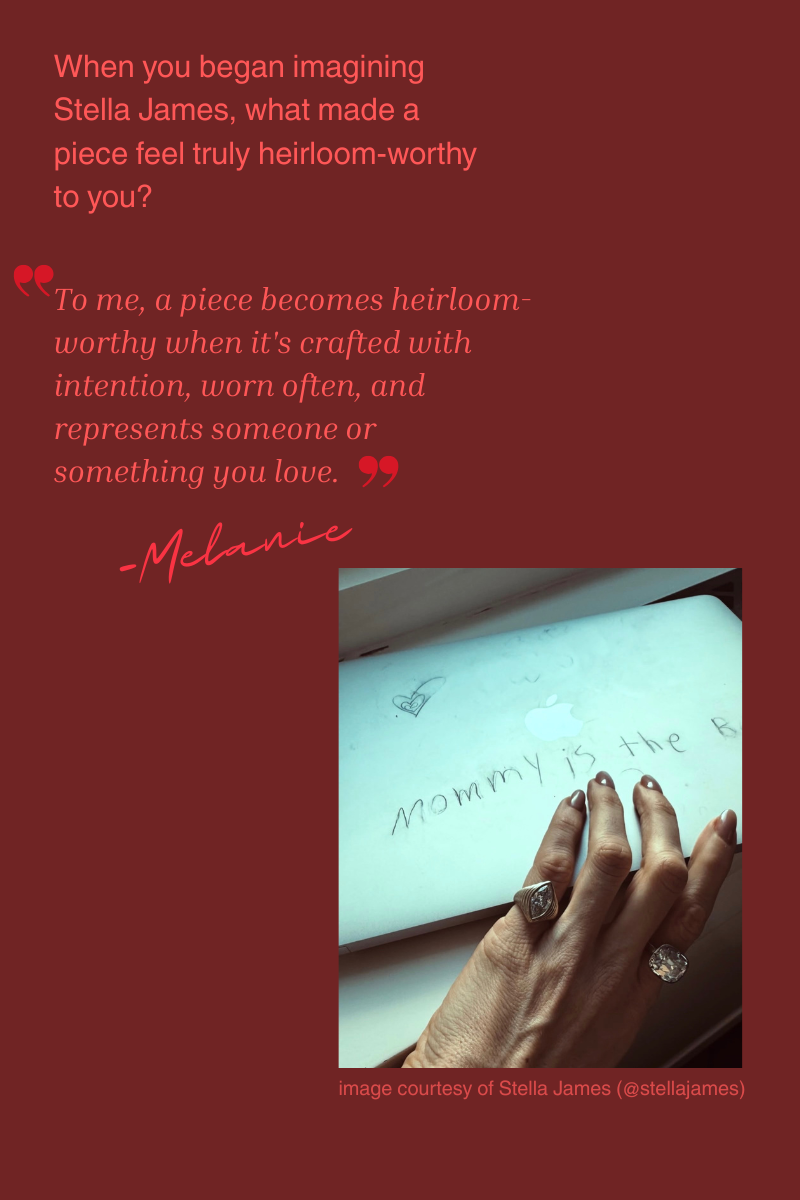
For me, the idea started very personally. I was looking for a different way to carry my children with me every day. I've always loved jewelry, but I couldn't quite find pieces that felt both refined and deeply meaningful. I wanted something timeless and beautifully made that quietly held a personal story.
That became the foundation of Stella James. To me, a piece becomes heirloom-worthy when it's crafted with intention, worn often, and represents someone or something you love. Over time it stops being just jewelry and becomes part of your life, something that naturally feels worth passing on.
TruForm Insight:
Objects often become heirlooms because they can tolerate the ebb and flow of everyday life. In design research, this principle relates to emotional durability, the idea that objects become meaningful when they remain part of someone’s life long enough to gather memories and personal history. Designers sometimes support this process by considering the emotional needs of users and the stories objects come to hold over time. A piece of jewelry begins as a beautiful object, yet over time it begins to carry memory through repeated use, giving it legacy appeal.
How Jewelry Becomes Personal
Trulery:
A lot of jewelry is beautiful, but it doesn't always become personal to the person wearing it. In designing Stella James, what did you hope would allow the pieces to take on meaning in someone's life?
Melanie:
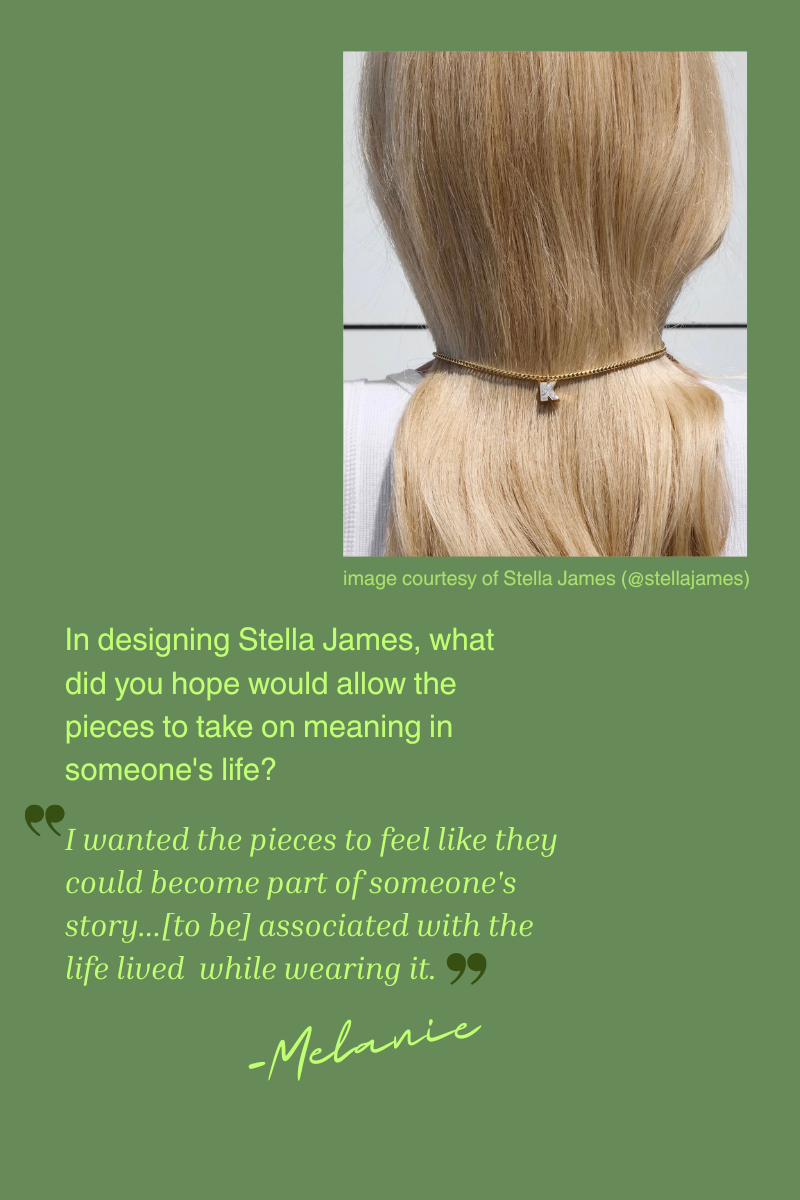
I wanted the pieces to feel like they could become part of someone's story. Jewelry is often connected to moments— birthdays, a birth, a milestone, a memory, or simply a piece someone reaches for every day.
The designs are intentionally refined and symbolic so that people can make them their own. Over time, the meaning grows because the jewelry becomes associated with the life lived while wearing it.
TruForm Insight:
Jewelry often carries meaning because it functions as a symbol. When a design is intentionally simple or symbolic, it allows the wearer to project their own identity and experiences onto it. In consumer psychology, this idea is sometimes described as the concept of the extended self, the notion that certain possessions become part of how we express who we are. Over time, the object becomes a representation of the person wearing it. This is how objects can eventually become synonymous with a person’s style.
Jewelry and Connections Across Generations
Trulery:
Stella James pieces are designed with family in mind, meant to be passed down. In your view, what gives a piece of jewelry the ability to connect people to the ones they love across time?
Melanie:
Stella James is all about family! It's the core, the heart of the brand, and it's named after my two angels, Stella & Jamie.
Jewelry is one of the few things we wear close to us every day, so it naturally carries emotion and memory. When a piece is given with intention from a parent to a child, or from one generation to the next, it holds that story. Years later, when someone wears it again, they're not just wearing a beautiful object, they're carrying a connection to the person who gave it to them. That continuity is what makes jewelry so powerful as an heirloom.
TruForm Insight:
In consumer and environmental psychology, people can develop what is known as object attachment. That’s the emotional bond they form with possessions as they accumulate personal history and memory. When a piece of jewelry is passed down, it carries not only design and craftsmanship but also the memory of the person who once wore it. In this way, objects become forms of continuity, allowing family stories and relationships to persist through something tangible.
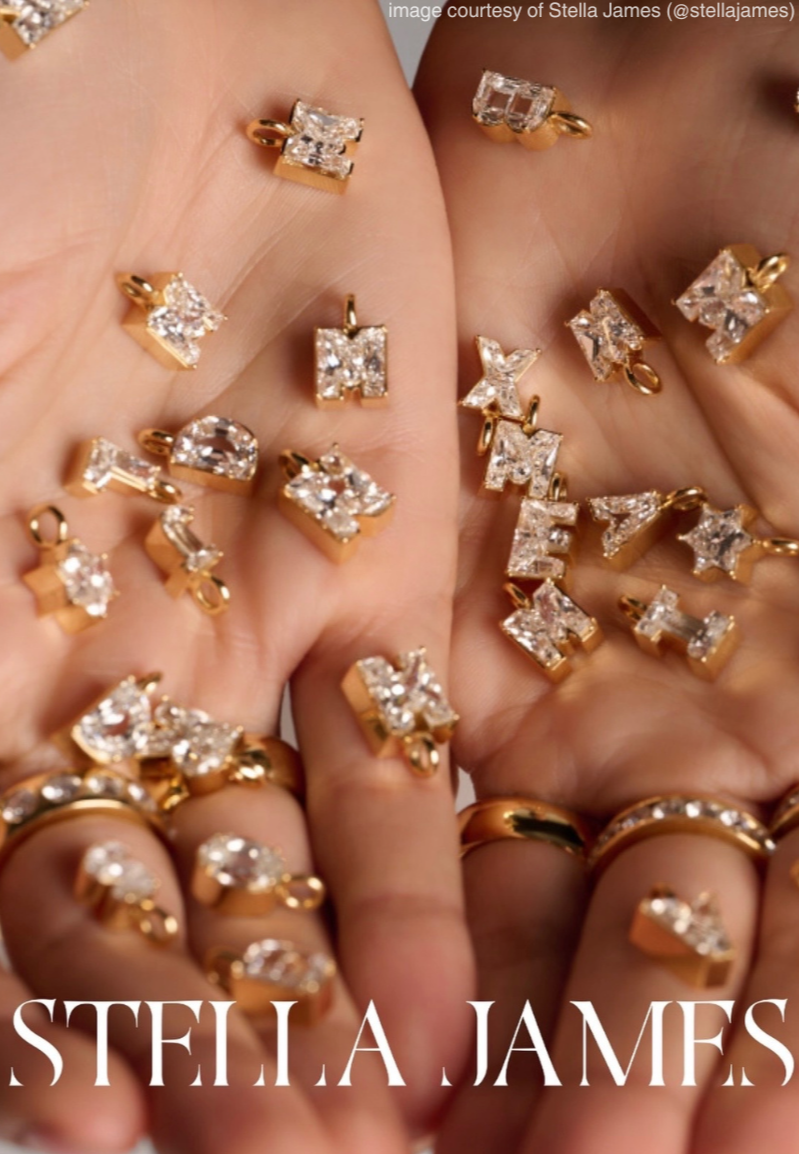
For those drawn to jewelry that is meant to be worn, lived in, and eventually passed down, Stella James offers a thoughtful example of how design and memory can come together in everyday objects.

Written by Sarah Seung-McFarland
Sarah Seung-McFarland, Ph.D., is a licensed psychologist with a specialty in fashion and design psychology, and founder of Trulery.